





Introduction — Diving and the Cinque Terre: what makes the sea here special
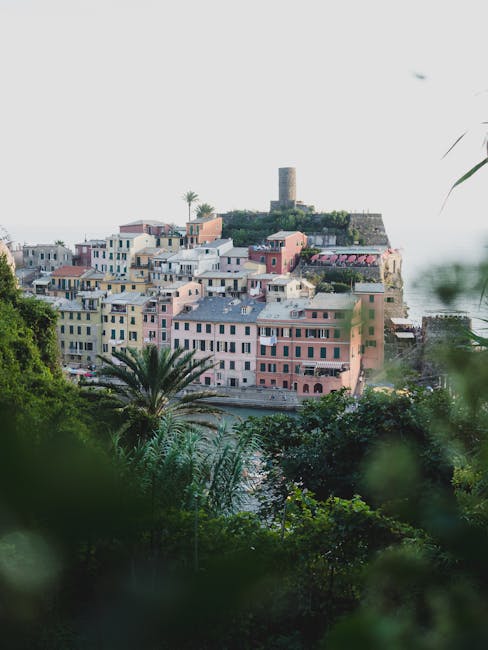
The Cinque Terre, a UNESCO World Heritage site, are famed for their brightly colored cliffside villages, scenic trails and seafood traditions. But for anyone who loves exploring the Mediterranean below the surface, this Ligurian coastline hides lesser-known treasures: rocky coves, underwater walls, Posidonia meadows and wrecks reachable from shore or by boat. Clear waters, a well-preserved Mediterranean marine biodiversity and rugged geology make the waters around the Cinque Terre an ideal playground for recreational diving, try-dives and technical dives alike.
In this region currents are generally moderate, visibility varies with the season (best in spring and late summer) and the seabed alternates between volcanic rock, limestone formations and seagrass meadows. Sites near Porto Venere and Palmaria Island feature vertical walls plunging tens of meters, easily accessible submerged caves and protected areas where you can spot groupers, nudibranchs, schools of seabream and, occasionally, young barracudas. The areas around Monterosso, Vernazza and Manarola are more fragmented but rich in small cavities and highly photogenic benthic life.
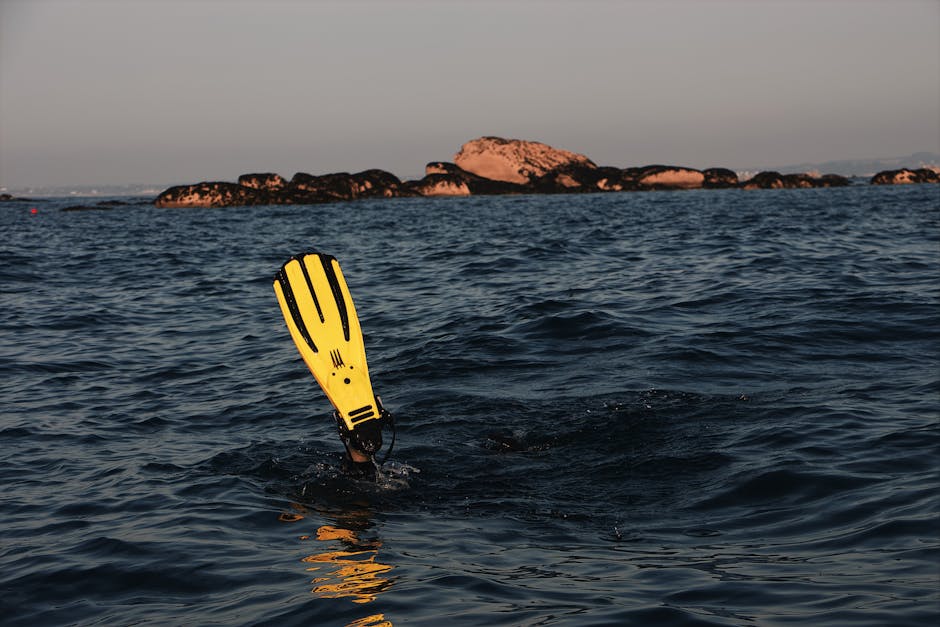
Whether you’re a beginner looking for a guided try-dive, a certified diver hunting biodiversity or an underwater photographer hoping to catch light streaming through tunnels, the Cinque Terre and nearby waters offer varied experiences. Note, however, that some areas fall within marine reserves or the Parco Nazionale delle Cinque Terre, where diving is regulated. It’s essential to check with local offices, choose accredited dive centers and follow local rules (no touching Posidonia, no collecting, mandatory surface markings for night dives, etc.).
This practical guide will lead you through the best dive sites within easy reach of the Cinque Terre, giving addresses, practical hours, price ranges in euros, immersive seabed descriptions and local tips to make the most of your time at sea. We’ll also suggest dive centers and gear, offer seasonal safety recommendations and logistical tips to combine hiking, village visits and underwater exploration. Prep your regulator, mask and curiosity: here are the spots worth diving for when you’re near the Cinque Terre.
Palmaria Island and Porto Venere — Walls, caves and wrecks
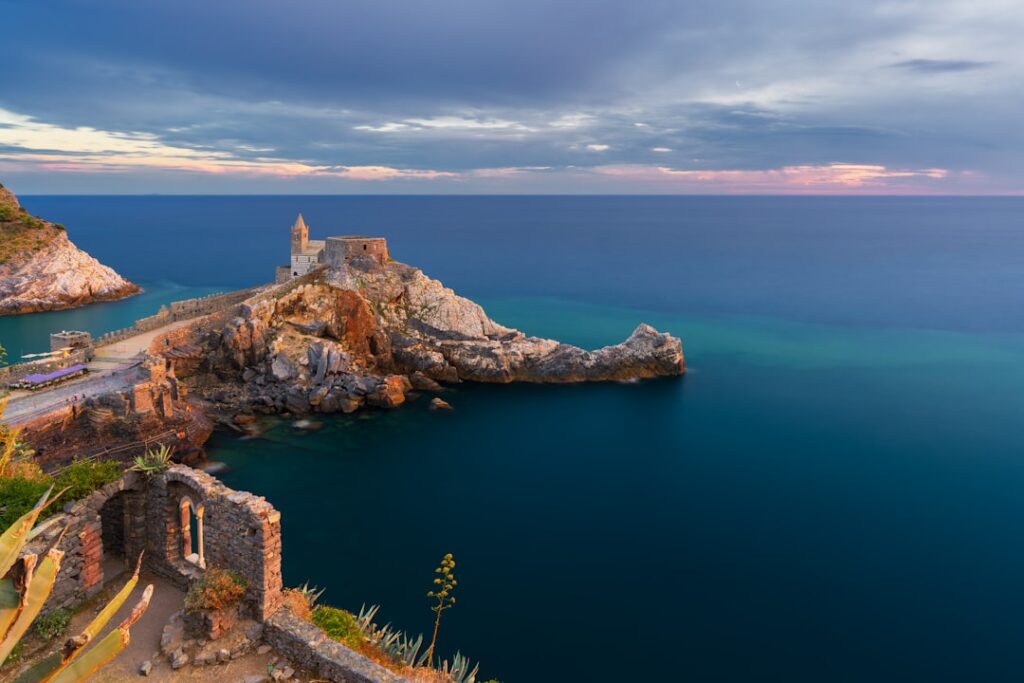
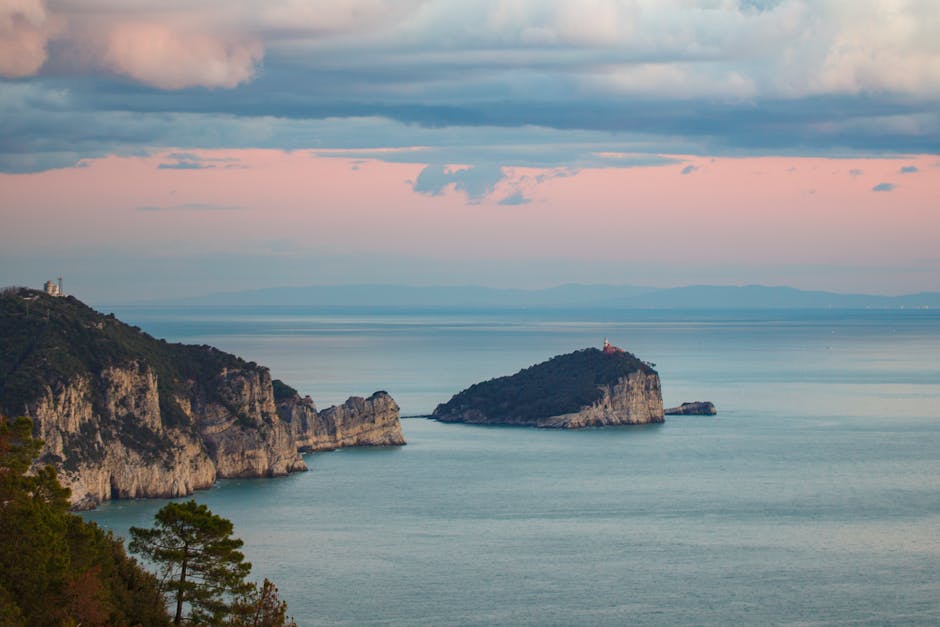
Palmaria, the island just off Porto Venere, is often named the best diving playground near the Cinque Terre. Reachable in 10–20 minutes by boat from Porto Venere’s harbor, the island features dramatic drop-offs, submerged caves and sheltered little bays. Sites like “Punta Secca” and the northeast face offer dives from 5 to 40 meters along walls covered in sponges, anemones and gorgonians. The terrain is perfect for photographers: black sand at some cave entrances, jagged rock formations and lighting that creates strong underwater contrast.
Practical details:
- Departure point: Porto Venere, Piazza Giuseppe Garibaldi, 19025 Porto Venere SP, Italy.
- Typical boat time: 10–20 minutes to Palmaria (weather dependent).
- Centers and indicative prices: guided “1 dive” trip ≈ €60–80 per person; “2 dives” ≈ €110–150; full equipment rental ≈ €25–40 / day. (Prices vary by season and operator.)
- Hours: excursions typically run between 08:30 and 17:30; dive centers usually open 09:00–18:00.
Immersive description:
Picture yourself descending early in the morning while the surface still looks like glass, drifting along a wall draped in purple gorgonians. Palmaria’s topography offers arches where shafts of light pierce the water, revealing schools of bogues and seabream weaving around rocky blocks. Between 15 and 25 meters you might encounter juvenile groupers and sometimes lobsters hiding in crevices. Wrecks near the little cape tell a different story: hull plates encrusted with anemones and octopuses that emerge at night to hunt.
Local tips:
- Book morning trips to maximize visibility and enjoy calmer seas.
- Ask your guide to avoid Posidonia zones to protect the habitat and to focus on rockier areas with richer biodiversity.
- If you’re into macro (nudibranchs, blennies), tell the guide: some cavities are genuine macro hotspots.
Punta Mesco, Monterosso and the northern coast — cliffs and Posidonia meadows
At the northwestern tip of the Cinque Terre, Punta Mesco overlooks the coast between Monterosso al Mare and Levanto. The seabeds around Punta Mesco combine steep rock faces and broad Posidonia oceanica meadows — vital to Mediterranean biodiversity. These meadows shelter octopuses, wrasses, cuttlefish and many invertebrates. Dives here are generally shallower (5–25 m), making them suitable for try-dives and less experienced divers.
Practical details:
- Access: Monterosso al Mare, Passeggiata Fegina, 19016 Monterosso al Mare SP, Italy (embarkation point for local boats).
- Park office: Parco Nazionale delle Cinque Terre – Sede Operativa, Via Fegina 20, 19016 Monterosso al Mare SP (usual hours 09:00–18:00; closed some days off-season).
- Typical rates: try-dive at sea ≈ €70–100; friendly guided dive (1 dive) ≈ €60–85; regulator or BCD rental ≈ €10–20 / item.
Immersive description:
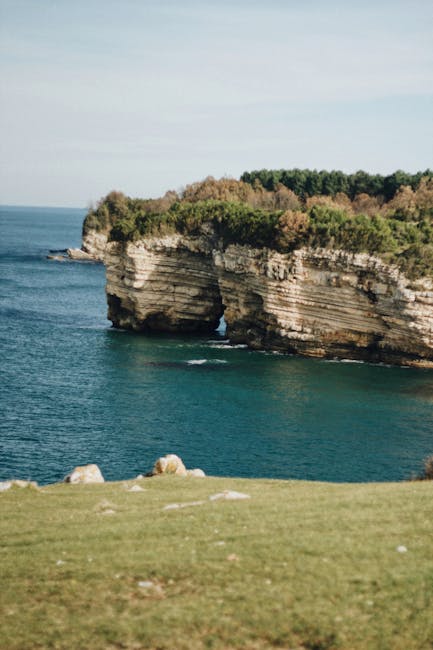
Dives from Monterosso often start with a short coastal ride where sculpted cliffs reflect on turquoise water. On descent, Posidonia creates a dense, waving carpet that filters light and forms sheltered shadowy patches. The meadows are dotted with isolated rocks where groupers and conger eels gather. In autumn, when waters stay warm late, it’s not unusual to spot migrating fish following the coastline. Divers will enjoy the mix of open spaces for pelagic schools and rocky niches for macro life.
Local tips:
- Respect the seagrass: don’t rest on Posidonia and keep excellent buoyancy to avoid damaging it.
- Check conditions with the park office — some zones may be temporarily protected or have special rules.
- Bring a 5–7 mm suit in mid-season (spring/autumn) and a 3–5 mm suit in summer depending on your cold tolerance.
Manarola, Riomaggiore and the underwater walls — dramatic dives and cultural immersion
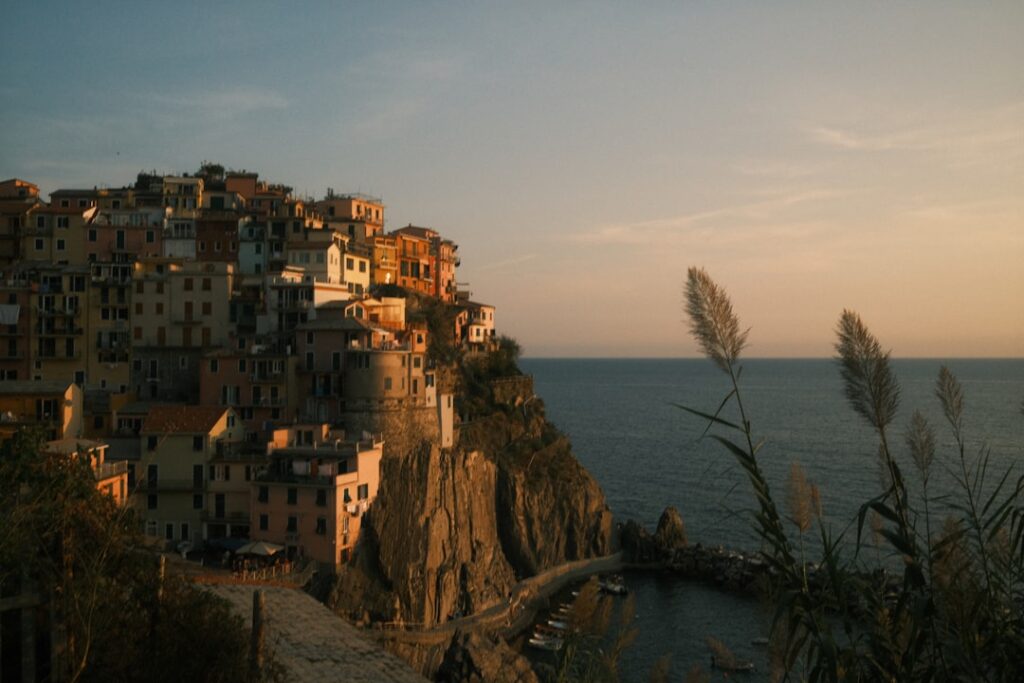
The areas around Manarola and Riomaggiore, close to the Cinque Terre’s picturesque towns, offer short but very graphic dives. Underwater walls often drop vertically from limestone cliffs and are dotted with small arches and cavities. These zones are perfect for photo dives and for spotting social species: seabream, bluefish, conger eels and sometimes cuttlefish putting on mating displays in spring.
Practical details:
- Frequent embarkation points: Port of Riomaggiore, Via Colombo 1, 19017 Riomaggiore SP, Italy and Marina di Manarola (small quays, area protected depending on tide).
- Recommended centers (examples locally available): guided trips €55–120 depending on package; snorkel rental €5–15; guided night dives about €80–120 per person.
- Hours: dives from Riomaggiore and Manarola are typically scheduled 09:00–16:30, depending on tides and navigation plans.
Immersive description:
Leaving Manarola’s harbor, the boat ride is short and the water quickly reveals a vertical world. Divers discover walls encrusted with colorful sponges and small anemones, crevices where groupers hide and, on sandy-rocky bottoms, multi-colored nudibranchs ideal for macro shots. Sunset dives, when the light skims the surface, can be spectacular; the silhouette of the colorful villages stands out on the horizon while the sea lights up with subtle nocturnal life.
Local tips:
- When diving near the quays respect bathing areas and always follow the captain’s safety briefings.
- Plan short, focused dives: weather can change quickly between coves.
- If you want to combine hiking and diving, leave your car or bags at the dive center reception to avoid difficult climbs back up the village steps.
Logistics, dive centers, regulations and practical advice
Diving near the Cinque Terre requires a bit of planning: protected zones, fickle weather, and boat access from small harbors. Here are the essential logistical points to plan dives with peace of mind:
Dive centers and useful addresses (examples and contact points):
- Porto Venere Dive Point (example embarkation) — Porto Venere, Piazza Giuseppe Garibaldi, 19025 Porto Venere SP. Office hours 09:00–18:00. Rates: 1 dive trips €60–80, 2 dives €110–150.
- Monterosso Dive Base (reception point) — Passeggiata Fegina, 19016 Monterosso al Mare SP. Hours 08:30–17:30. Try-dives ≈ €80–100.
- Riomaggiore Marina Services — Via Colombo 1, 19017 Riomaggiore SP. Open 09:00–17:00 in season; guided trips and night dives by reservation.
Regulations and permissions:
- Certain parts of the Cinque Terre are subject to Parco Nazionale delle Cinque Terre rules: some areas may be off-limits to diving or have restricted access periods. Contact the park office to confirm (hours 09:00–18:00).
- Cave or technical diving requires specific supervision and often prior authorization. Don’t attempt advanced explorations without a specialized guide.
Practical tips to optimize your outings:
- Book your trip the day before: dive boats have limited spots, especially in high season (July–August).
- Bring your dive certificate (Open Water or license card), dive insurance valid in Italy and an ID.
- Choose an appropriate suit: 5 mm in spring/autumn, 3–5 mm in summer depending on tolerance.
- Respect wildlife and flora: no collecting, avoid touching organisms and maintain perfect buoyancy to prevent damage to Posidonia meadows.
- If you’re a photographer, ask for a guide who knows the macro spots and the best times of day when benthic life is most active (early morning or at sunset).
Conclusion — Diving around the Cinque Terre: an adventure to plan
Diving near the Cinque Terre blends the magic of Italian coastal villages with the richness of a remarkably diverse Mediterranean marine environment. Whether you choose the drop-offs off Palmaria Island, the Posidonia meadows of Punta Mesco, or the graphic walls around Manarola and Riomaggiore, each dive tells a story: sculpted reliefs, colorful organisms clinging to rock and a fragile ecosystem that deserves respect and protection. To get the most from these sites, book with an accredited local center, check with the Parco Nazionale delle Cinque Terre and adapt your gear to the season and planned depths.
Planning a dive trip to the Cinque Terre isn’t just about logistics: it’s about taking part in a full experience where hiking the trails, a seaside lunch of Ligurian cuisine (pesto alla genovese, seafood bruschetta, local focaccia) and underwater exploration complement each other. After your dive, stop by tourist offices for maps and routes, taste local specialties at a waterfront trattoria and strictly follow the park’s protection guidelines. For a sustainable experience, favor centers with eco-friendly practices (bottle recycling, seagrass protection, awareness programs).
In short: the Cinque Terre offer diving opportunities for all levels. With proper preparation — booking ahead, checking timings, respecting rules and choosing knowledgeable local guides — you’ll discover dramatic underwater walls, vibrant Posidonia meadows and marine cavities that stay with you long after you surface. Bring your curiosity, your camera and a respectful mindset: the Ligurian Sea will reveal some of its finest secrets below the surface.