





Introduction
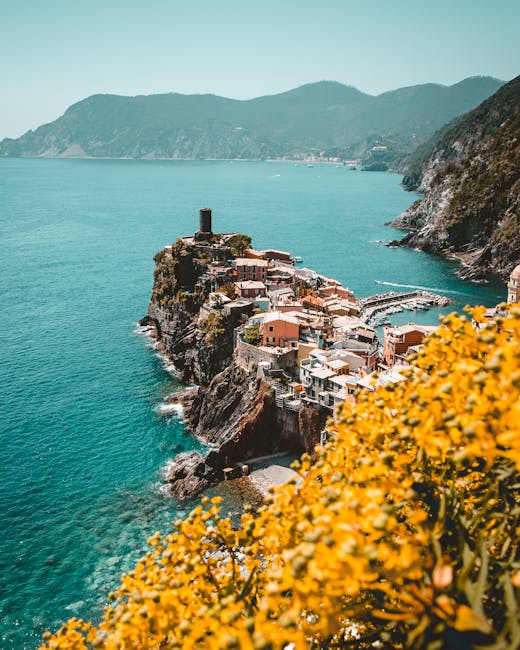
The Cinque Terre: five cliffside villages, narrow colorful lanes, terraced vineyards, pebble beaches and a deep blue sea. Riomaggiore, Manarola, Corniglia, Vernazza and Monterosso al Mare form one of Italy’s most photographed coastal landscapes. But what should you actually see in each village? Beyond the postcard views, every village has its own churches, viewpoints, monuments and food-focused experiences that deserve a closer look. This article is a detailed, immersive guide to each village: exact addresses, opening hours, prices in euros, descriptions of the sites and local practical tips to make the most of your visit.
The Cinque Terre are part of the Parco Nazionale delle Cinque Terre — a protected area where the Blue Trail, ancient « muretti a secco » (dry stone walls) and vineyards shape the scenery. The first tip is simple: wear comfortable shoes. The cobbled streets, stairways and coastal paths require good footwear. Next, learn how to navigate using the local train stations (Riomaggiore, Manarola/Manarola is served by Riomaggiore station on the main line, Corniglia, Vernazza, Monterosso al Mare) and consider the Cinque Terre Card (the « Carta del Parco ») to access paid trails and park services. Finally, respect the area — don’t pick flowers, don’t leave trash, and observe opening hours for churches and historic buildings. This article lists the unmissable sights by village, with practical details on prices and opening times to help you plan your stay.
Through the sections below, you’ll find for each village: monuments to visit (parish churches, chapels, castles, viewpoints), exact addresses to locate them on a map, entry fees where relevant, typical opening hours, and vivid descriptions to help you imagine the place — the smell of salt and citrus, the sound of waves on the rocks, the taste of pesto made with local basil or a glass of Sciacchetrà. I end each village section with local practical tips (best time for photos, where to avoid crowds, dishes to try, small artisan shops to spot). Keep in mind that schedules and prices can change, especially in high season: always check official websites or the local tourist offices for last-minute confirmations.

Riomaggiore — What to See and Do
Main highlights:
- Castello di Riomaggiore — Via Colombo, 16, 19017 Riomaggiore SP, Italia. Description: remains of a medieval castle overlooking the village entrance, with great views of the bay and the stepped houses. Price: free to visit the exterior; some temporary exhibition rooms may charge €3.00–€5.00. Hours: exterior access 24/7; exhibitions vary by season (check with Pro Loco di Riomaggiore).
- Chiesa di San Giovanni Battista — Via Colombo, 120, 19017 Riomaggiore SP. Description: a 14th-century Gothic church notable for its marble portal and simply decorated interior. Hours: usually open 9:00–12:00 and 15:00–18:00 (may vary). Price: free.
- Piazza Manin — Piazza Umberto I (Piazza Manin), 19017 Riomaggiore. Description: the village’s main square where local life unfolds — a perfect spot for coffee or gelato while watching the fishermen come and go.
Riomaggiore, the first village you reach from La Spezia, offers an authentic atmosphere: narrow lanes (the caruggi), colorful doors and small artisanal shops. A stroll along Via Colombo leads down to the small harbor, the departure point for boat trips to the neighboring villages. Head to the harbor early in the morning to see fishermen’s nets and boats and hear the sea lapping against the rocks — a photogenic, peaceful moment before the crowds arrive.
 Click here to book a full-day cruise with snorkeling
Click here to rent a double kayak in Riomaggiore

Practical tips:
- Best time for port photos: early morning (6:30–8:30) or late afternoon (18:00–20:00) for warm light.
- If you want to walk the coastal path to Manarola (Via dell’Amore), check the trail status and availability of the Cinque Terre Card Sentieri (indicative price: €7.50/day depending on season for trail access; subscription prices vary). The path is very popular in high season.
- Where to eat: try focaccia and the local fish soups at small seafront trattorie — don’t miss Liguria’s typical focaccia al formaggio.
Manarola — A Little Colorful Gem and Terraced Vineyards
Main highlights:
- Piazzetta di Manarola — Via Eugenio Montale, 19017 Manarola (part of SP370). Description: a small square overlooking the sea, a prime viewpoint to admire the stacked village down to the harbor. Perfect for an aperitif at sunset.
- Chiesa di San Lorenzo — Piazza San Lorenzo, 19017 Manarola SP. Description: the parish church from 1338, located in the upper part of the village; stone façade and a modest interior with an altarpiece. Hours: usually open 10:00–18:00; times vary during services. Price: free.
- Scenic trail to Punta Bonfiglio — access from Via Birolli / Via Discovolo. Description: a short trail offering spectacular coastal views and classic Manarola scenery. Price: included with the Cinque Terre Card Sentieri (check current conditions). Hours: open access, subject to weather and maintenance.
Manarola is often considered the most photogenic of the Cinque Terre, with its vertical houses clustered around a small rocky cove. Winemaking is very visible here: terraced vineyards produce Sciacchetrà, a local sweet wine you can taste at several cellars. Climb to the upper part of the village to better understand the terrace layout and appreciate the centuries-old work of local vine growers. The steep steps and stone paths bring you close to rural chapels and the distinctive dry stone walls.
Click here to taste local wines in Manarola
Practical tips:
- Iconic photo spot: the walkway on Via Birolli at dusk. Arrive 30–45 minutes before sunset to secure a good spot.
- Where to taste Sciacchetrà: tastings at the Cantina Sociale di Manarola (near the station) — tasting prices typically range €5.00–€15.00 depending on the selection.
- Boat access: the small rocky harbor sometimes restricts docking in winter; check local boat operators for schedules and excursions.
Corniglia — Rural Soul on Top of the Cliffs
Main highlights:
- Chiesa di San Pietro — Piazza San Pietro, 19016 Corniglia. Description: a Ligurian Gothic church built in the 14th century, notable for its marble portal and slender bell tower. Hours: often open 9:00–17:00, but can vary on mass days. Price: free.
- Belvedere di Santa Maria — Via Fieschi / Belvedere Via alla Torre. Description: a viewpoint offering panoramic sea and cliff views — ideal for wide-angle lovers and sunsets. Free access.
- Dry stone walls and Corniglia vineyards — access from the main street and agricultural paths. Description: walks through terraced vineyards where the pattern of dry stone walls tells centuries of hillside farming. Price: free access (trails included with the Cinque Terre Card when applicable).
Corniglia stands out for its position on top of a cliff — unlike the other villages, it doesn’t have a direct small harbor. From the station you must climb the Santa Maria (a monumental stairway of 382 steps — sometimes called the « Lardarina ») or take the local shuttle (schedules vary, indicative fare: €1.50 per trip). This elevation lends Corniglia a quieter, more rural vibe, perfect for hikers and visitors seeking calm.
Click here to learn to make pesto with a sea view
Practical tips:
- Access from the station: be ready for the 382-step climb of the Lardarina or use the municipal shuttle (schedules generally align with train times; fares vary).
- Best walk: follow the vineyard paths to the viewpoint for less-crowded panoramas and impromptu tastings with local producers.
- Where to eat: small family-run osterias on the main street offering fresh pasta, local fish and dishes with wild herbs.
Vernazza — The Picturesque Heart and the Beach
Main highlights:
- Chiesa di Santa Margherita d’Antiochia — Piazza Marconi, 19018 Vernazza SP. Description: a Romanesque-Gothic church built on a promontory, with a stone bell tower and a small liturgical museum. Hours: generally open 9:30–18:00 (seasonal). Price: free entry, donations appreciated.
- Castello Doria — Via Roma, 19018 Vernazza SP. Description: a medieval fortification overlooking the village, reachable by a path from the main square. It offers 360° views over Vernazza and the coast. Price: exterior access usually free; guided visits or special exhibits may charge €2.00–€5.00. Hours: paths open subject to weather conditions.
- Vernazza beach — Spiaggia di Vernazza, Via Roma, 19018 Vernazza. Description: a small pebble cove framed by colorful houses, great for dipping your toes and watching local boats. Friendly atmosphere but very busy in summer.
Vernazza is often considered the most charming of the Cinque Terre: a natural harbor, a lively main square and lanes that open onto dramatic viewpoints. Castello Doria and the Chiesa di Santa Margherita d’Antiochia provide memorable vantage points — for photos, climb toward the fortress in late afternoon to catch low-angle light that bathes the house façades.
Click here to taste wine and tour the vineyard in Vernazza

Practical tips:
- Arrive early to enjoy the beach before the crowds (in summer the beach often fills up by 10:30–11:30).
- If you plan to climb to Castello Doria, wear shoes with good grip: the path can be rocky and steep.
- Cafés to try: the main piazza has several bars where you can enjoy a Ligurian coffee and artisanal gelato — avoid peak hours if you want calm photos.
Monterosso al Mare — Beaches, Convents and Trails
Main highlights:
- Convento dei Cappuccini (Monastero dei Cappuccini) — Via Fegina, 19016 Monterosso al Mare SP. Description: a historic convent perched on a hill above Monterosso, with panoramic views over the bay and a peaceful garden. Hours: exterior visits are free; interior access and the small museum vary (typical hours 9:00–17:00 in high season). Price: some rooms may charge €3.00–€6.00.
- Chiesa di San Giovanni Battista — Via Vittorio Emanuele II, 19016 Monterosso al Mare. Description: a large Ligurian Gothic church with a striking white façade, located in the old town. Hours: often open 10:00–18:00. Price: free.
- Spiaggia di Fegina — Lungomare Fegina, 19016 Monterosso al Mare. Description: the largest beach in the Cinque Terre, ideal for families and swimming. Facilities: sunbeds and umbrellas for rent (approx. €10.00–€25.00 per day depending on location and season).
Monterosso is the biggest of the villages, with a charming old town and a more modern seaside quarter (Fegina). Here you’ll find sandy beaches and more developed tourist infrastructure (sunbed rentals, beachside restaurants). Trails into the national park also start from Monterosso: the path toward Vernazza and then Corniglia begins with some climbs but rewards hikers with impressive views.
Click here to take a kayak and snorkeling trip from Monterosso

Practical tips:
- To avoid the busiest spots on Fegina beach, reserve a spot with a beach operator early in the morning (8:00–9:00); prices rise in high season.
- Explore the old town on foot: Via Roma and Via Vittorio Emanuele II are full of shops selling local products (pesto, salted anchovies, limoncino).
- Hikers: the Monterosso‑Vernazza trail is among the most scenic and requires good fitness; average time is 1.5–2 hours depending on pace. Check the Parco Nazionale delle Cinque Terre website for which sections are open.
General tips and practical information for visiting the Cinque Terre
Before wrapping up, here are practical details to optimize your visit:
- Cinque Terre Card (Carta del Parco): this card grants access to paid trails, sanitation services and sometimes regional trains between the villages. Indicative price: the daily « Sentieri » card is around €7.50 (rates vary by season and type: single day, multi-day, family). Hours: valid for 24 hours from validation. Check the Parco Nazionale delle Cinque Terre official site for current rates and conditions.
- Transport: regional trains (Trenitalia) link the villages between La Spezia and Levanto; a single ticket between two stations typically costs €1.80–€4.00 depending on distance. Peripheral parking lots are paid (for example at La Spezia or Monterosso): daily rates vary (expect €10.00–€25.00 per day in high season). Parking inside the villages is generally impossible.
- Best times to visit: May–June and September offer good weather and fewer crowds than July–August. In the off-season (November–March), some shops and restaurants close, but you’ll enjoy rare tranquility.
- Safety and respect: trails can be slippery after rain; wear hiking shoes. Follow park signs: camping, picking plants or lighting fires are prohibited.
Click here to book a premium train tour of all villages
Conclusion
The Cinque Terre are best discovered village by village: each has a strong identity and its own treasures — Riomaggiore for its harbor and lanes, Manarola for its vineyards and photogenic views, Corniglia for its quiet plateau and terraced vineyards, Vernazza for its beach and castle, Monterosso for its beaches and facilities. The details here — addresses, hours and prices — serve as a practical framework for your visit, but stay flexible: timetables and fees can change with the season, local events and trail maintenance. Before you set off, check official sites (Parco Nazionale delle Cinque Terre, local tourist offices, monument pages) for last-minute confirmations.
Visiting the Cinque Terre also means adopting a slower pace: take time for a coffee on a piazza, a swim at dusk, a tasting of Sciacchetrà or a plate of trofie with pesto in a family osteria. Respect the environment, support local producers and favor walking to truly appreciate the area’s richness. Photographers should walk beyond the main viewpoints to capture the unique light between façades and vine terraces; food lovers should seek small delicatessens to bring home artisanal pesto and locally canned anchovies. And remember: the magic of the Cinque Terre lies as much in the panoramas as in the small details — a painted door, a fisherman’s net, a sunbathing cat on the steps — those moments will make your visit unforgettable.
Safe travels and enjoy exploring the lanes, trails and Mediterranean shores of the Cinque Terre!