





Introduction: The Secrets of the Cinque Terre’s Cliffside Terraced Vineyards
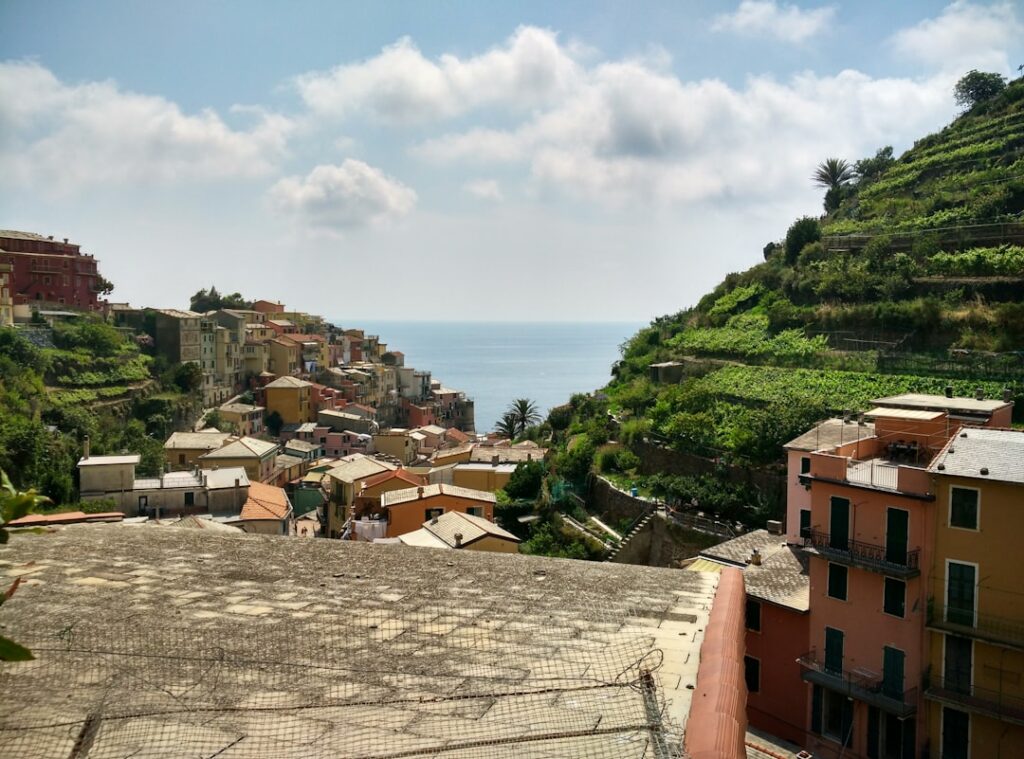
The Cinque Terre — Monterosso al Mare, Vernazza, Corniglia, Manarola and Riomaggiore — are often pictured as a string of seaside villages clinging to cliffs above the Ligurian Sea. Less obvious, yet just as awe‑inspiring as the pastel facades and tiny harbors, are the cliffside terraced vineyards: hand‑crafted shelves of vines that carve the landscape and sustain a centuries‑old winemaking tradition. Understanding these terraces means diving into a human, geological and culinary story: dry‑stone walls, narrow footpaths, olive trees bronzed by sea spray and vines tucked in on themselves to withstand the maritime winds.
In this UNESCO World Heritage area, winemakers keep traditional methods alive — Pergola pruning, Guyot, hand harvests — to produce local appellations like Sciacchetrà, the region’s emblematic sweet wine, as well as dry, aromatic whites that pair perfectly with Ligurian cuisine. The terraces are often so steep they require daily upkeep, stone huts and vertiginous stairways. This backbreaking work shapes not only the terroir but also the cultural identity and sustainable tourism of the region.
This guide takes you into the heart of these cliffside terraces: how they’re built, who tends them today, where to taste the wines on site, which routes showcase the most dramatic vineyard scenery, and practical tips for respecting this fragile environment. You’ll find full addresses (wineries, producers, viewpoints), sample tasting prices in euros, opening hours for key spots, and recommendations for walking and train travel between villages. Whether you’re a wine lover, hiker or photographer, you’ll learn how to enjoy these views without harming their delicate beauty.
We’ll also explain why supporting local producers matters — buy direct or taste at small estates when possible — and how to follow Cinque Terre National Park rules. These terraced vineyards are a living heritage: they survive thanks to the effort of local communities. This guide aims to offer a respectful, useful and sensory immersion into the secrets of the Cinque Terre’s cliffside terraced vineyards.
History and Know‑How: How the Terraces Shaped the Cinque Terre Landscape
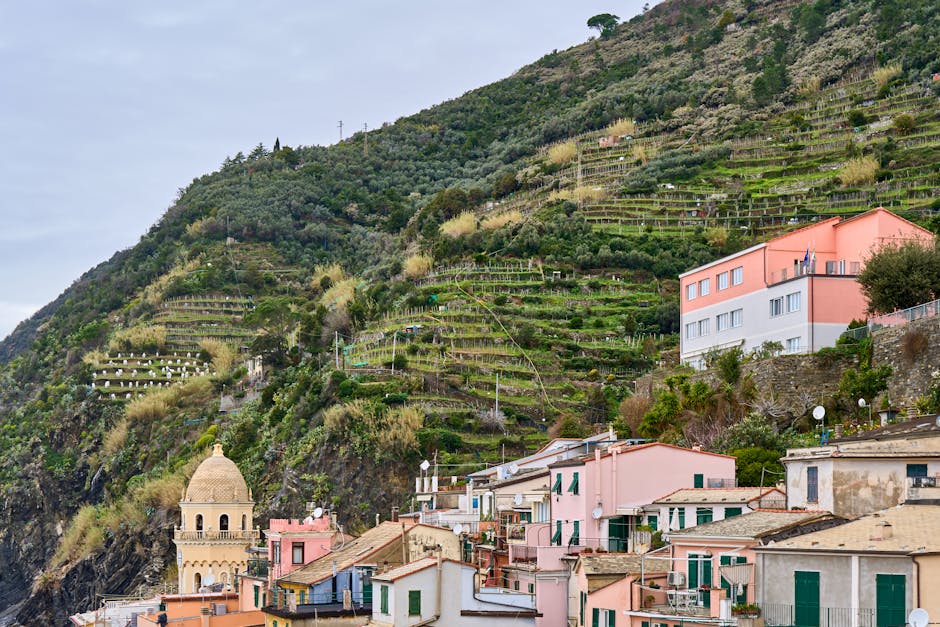
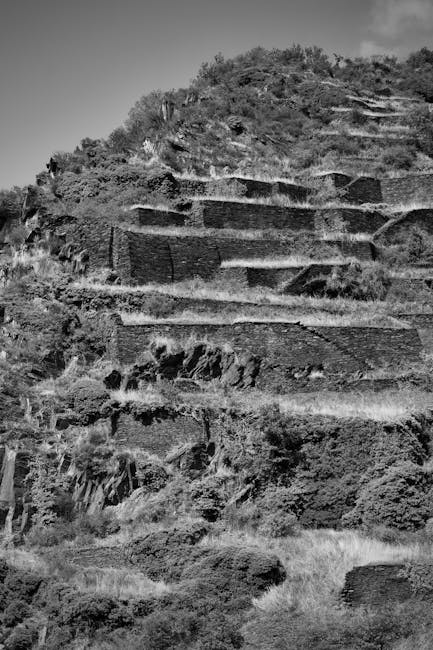
The terraced vineyards of the Cinque Terre are the result of painstaking land engineering that began in the Middle Ages and was refined over centuries. To create these stepped plots on steep slopes, farmers built dry‑stone retaining walls — masonry without mortar — that hold the soil and form flat plots only a few meters deep. These « terrazzamenti » are visible from many viewpoints and dominate the sea, offering unique perspectives and remarkable folk engineering.
Maintaining the walls, stairways and drainage channels is essential to prevent erosion. Vintners use pruning techniques adapted to the local microclimate: single or double Guyot to control yields, low pergola to shield grapes from fierce sun, and manual grape selection at harvest. Much of the work is done by hand, typically within family teams, sometimes assisted by modern exoskeletons but mostly relying on brute strength on slopes that can reach 45°.
The Cinque Terre terroir is mostly composed of schist and weathered marine pebbles, lending mineral and saline notes to the wines. Sciacchetrà, a late harvest wine produced notably in Manarola and Corniglia, shows honey, dried apricot and resin notes — a result of partially drying grapes on racks or in lofts before fermentation. Dry whites from local varieties like Bosco, Vermentino and Albarola deliver saline freshness and aromas of citrus and wildflowers.
If you want to see these techniques in action, several farms and wine museums explain the tradition. For example, the Casa Museo del Portuale di Vernazza (Piazza Marconi, 10, 19018 Vernazza SP) sometimes hosts temporary exhibitions on coastal agriculture; it’s open 10:00–18:00 in high season, admission around €5.00. The « Museo del Sentiero Azzurro » near Riomaggiore (Via Colombo, 15, 19017 Riomaggiore) offers panels about the trails and local agro‑pastoral life (open 09:00–17:00, admission €3.00). These sites highlight the heritage value of the dry‑stone walls and terraces, essential to preserving the landscape.
 Click here to book a wine tasting and vineyard visit
Routes and Viewpoints: Where to See the Most Spectacular Cliffside Terraces
Several routes are must‑dos for terrace views. The Sentiero Azzurro (Blue Trail) links the five villages and offers direct panoramas of the stepped plots. The Vernazza–Corniglia stretch (about 3.5 km) and Corniglia–Manarola segment (around 2.5 km via the panoramic trail) are particularly rich in terraced vineyards. Practical note: the trails are inside the Cinque Terre National Park and some sections may close for maintenance or landslides; check conditions on the park’s official site before you set out. Fees: the « Cinque Terre Card Trekking » for trail access costs roughly €7.50 for a day (rates may vary).
Recommended viewpoints and observation spots:
– Punta Bonfiglio (Monterosso al Mare): from Lungomare a Levante (Via XX Settembre, 5, 19016 Monterosso al Mare SP) you get a broad view that includes the terraced vineyards between Monterosso and Vernazza.
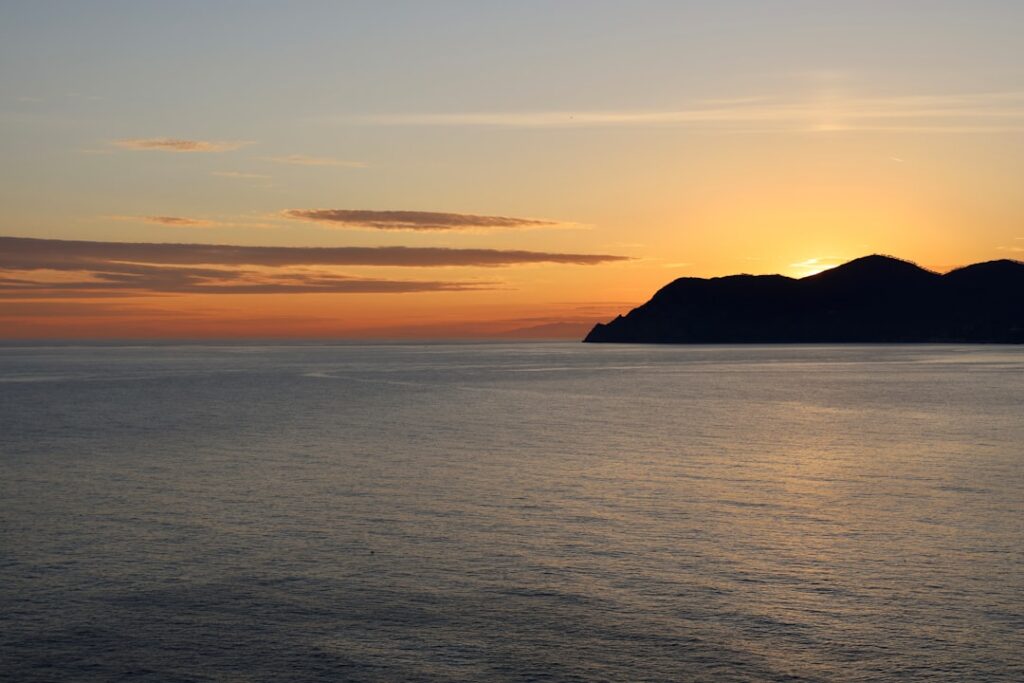
– San Giorgio viewpoint (Manarola, Via Renato Birolli, 35, 19017 Manarola): reachable via a short trail above the village. Best light at sunset.
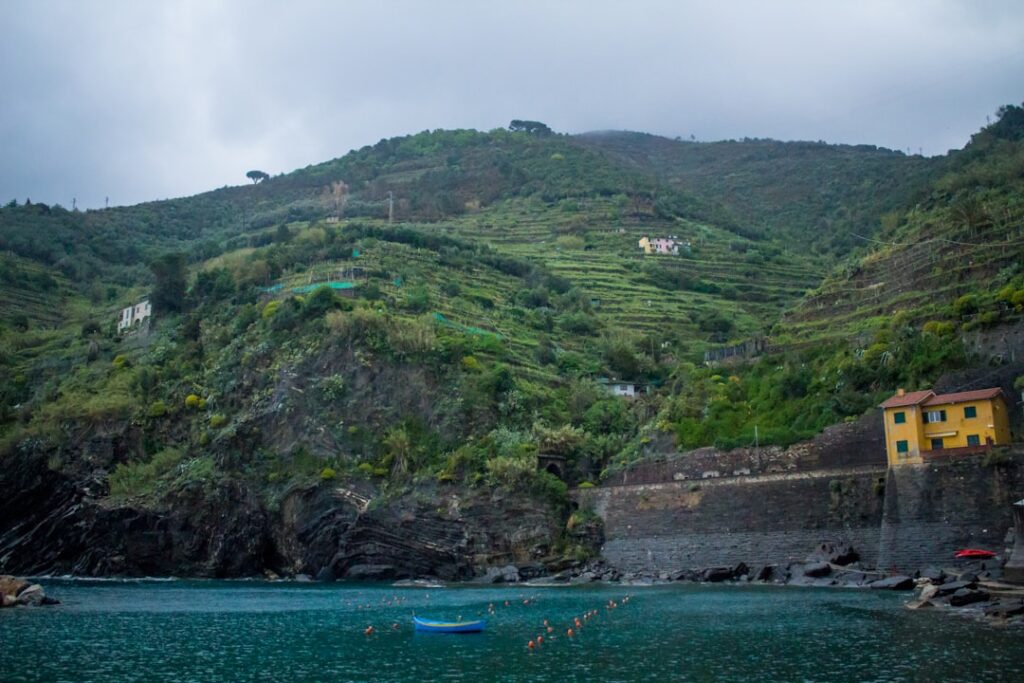
– Piazza Marconi (Vernazza, Piazza Marconi, 19018 Vernazza SP): from the square and small harbor you can clearly spot the south‑east facing terraces and the walls dropping toward the sea.
– Madonnina viewpoint (Riomaggiore, Salita Cappellini, 19017 Riomaggiore): a prime sunrise spot to catch dew on the vines.
Hiking tips: wear sturdy walking shoes, carry at least 1.5 L of water per person in summer, and aim for cooler hours (start before 09:00 or late afternoon). Trails can be exposed to sun and wind; bring a hat and sunscreen. Regional trains (Trenitalia) serve all villages (La Spezia–Levanto line): a single ticket between two stations typically costs between €1.80 and €4.50 depending on distance. Parking at village entrances is limited — it’s usually smarter to leave the car in La Spezia or Levanto and travel by train.
Click here to take the panoramic hike from Levanto to Monterosso
Tastings and Wineries to Visit: Addresses, Prices and Opening Hours to Taste Terrace Wines
Visiting a winery or tasting at a producer helps you understand the wines’ origins and supports the local economy. Here’s a selection of places where the connection to the terraces is direct and educational, with addresses, hours and indicative prices:
- Azienda Agricola Buranco – Cantina di Manarola
Address: Via Discovolo, 20, 19017 Manarola (Riomaggiore) SP
Opening hours: Open Tuesday to Sunday, 10:30–18:30 (closed Monday) — seasonal hours.
Tasting: tour + 3 wines (whites and Sciacchetrà) from €15.00 per person. On‑site sales. Phone reservation recommended.
Description: small family estate with terraced plots just above the village. The visit includes a short walk through gardens and a tasting on the panoramic terrace. - Cooperativa Agricola Vernazza
Address: Via Roma, 60, 19018 Vernazza SP
Opening hours: Shop open 09:30–13:00 and 15:30–19:00 in high season.
Tasting: guided tasting €10.00 (1 glass + explanations). Wine workshops on request (€30.00 per person).
Description: a local cooperative that blends harvests from small growers, ideal for comparative tastings of different terroirs. - Azienda Agricola Guido Galletti – Corniglia Vineyards
Address: Via Fieschi, 12, 19016 Corniglia SP
Opening hours: by appointment, typically 09:00–17:00.
Tasting: guided terrace tour + local product basket and 4 wines for €25.00 per person.
Description: artisanal production with explanations on grape drying for Sciacchetrà and walks along the stone walls.
In addition to wineries, several restaurants and enoteche offer food and wine pairings facing the terraces:
– Trattoria dal Billy (Via Aldo Rollandi, 122, 19017 Manarola SP) — open 12:00–15:00 / 19:00–22:30; seafood dishes from €12.00, extensive local wine list.
– Enoteca Dau Cila (Piazza Martiri, 8, 19016 Monterosso al Mare SP) — open 11:00–23:00; lunchtime tastings, glasses from €4.50.
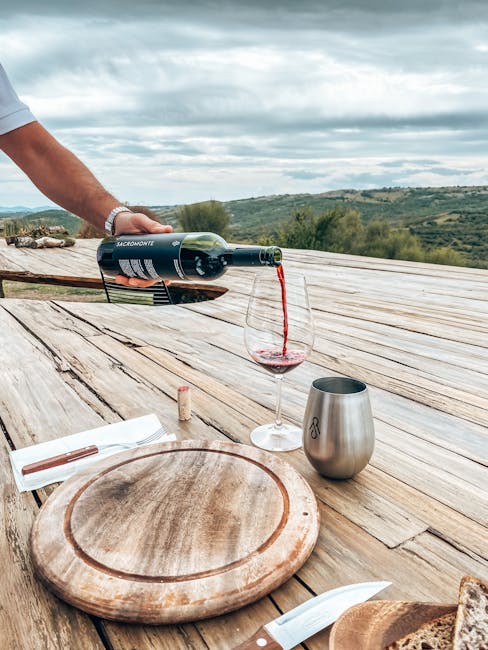
Bookings and etiquette: at small estates, tastings should be reserved in advance (especially in July–August). Budget €10–30 per person depending on the number of wines and whether a meal is included. Buy a bottle directly from the producer to support the local economy — many small growers sell at cellar prices lower than tourist shops. And respect working areas: don’t walk across private terraces without permission and don’t pick grapes.
Click here to taste wines and visit a local vineyard
Preservation and Responsible Tourism: Practical Tips to Protect the Cliffside Terraces
The terraces of the Cinque Terre are fragile — they rely on constant maintenance to withstand weather and landslides. Mass tourism strains infrastructure and the villages’ ability to care for dry‑stone walls. Here are concrete recommendations for a visit that respects the territory:
- Stick to marked trails: don’t cut across cultivated plots and avoid walking on the stone walls. Off‑trail paths speed up erosion.
- Prioritize local purchases: buy wines and products at cellars or cooperatives (e.g. Cooperativa Agricola Vernazza, Cantina di Manarola). Financial support for producers helps fund consolidation work.
- Join local initiatives: some associations run terrace maintenance days where visitors can sign up to help repair walls — check with the tourist office (Associazione Cinque Terre, Piazza Garibaldi, La Spezia) for dates.
- Avoid litter and recycle: space for sorting is limited; use designated bins and carry bulky waste to official containers at the train stations.
- Travel light and off‑season: visiting in spring or autumn reduces pressure on the villages and provides ideal light for photographing terraces. Temperatures are pleasant and trails are less crowded.
Logistics tip: check trail conditions on the Cinque Terre National Park website and at tourist offices (Tourist Office of Monterosso – Piazza Don Minzoni, 19016 Monterosso al Mare SP, open 09:00–18:00 in season). Buy the Cinque Terre Card if you plan multiple hikes (covers trail access, approximately €7.50 per day). And always follow winery opening hours and book tastings ahead to avoid disappointment in high season.
Conclusion: Savoring the Cliffside Terraces with Wonder and Care
The Cinque Terre’s cliffside terraced vineyards are far more than a postcard backdrop: they are territories shaped by generations of winemakers, human and agricultural habitats that depend on constant upkeep, and fragile ecosystems that need protection. They tell a story of resistance to the terrain, climatic adaptation and rural ingenuity. Tasting the wines, walking among the terraces or simply watching them from a viewpoint is a full sensory experience — the scents of salt and vine, the flavors of Sciacchetrà and mineral whites, and the vertiginous sense of space.
To enjoy these landscapes without damaging them, behave responsibly: prioritize visits to local producers, book tastings, walk on marked trails, and check trail conditions and conservation activities before you go. The human investment behind each wall deserves concrete support — whether by buying a bottle directly, taking part in a workshop or donating to a local association.
Finally, leave room for wonder and slowness. The best discoveries often happen off the tourist flow: a tasting in a Corniglia lane winery, a sunset over Manarola’s terraces, or a misty morning when the damp walls sparkle like pearls. By respecting these places you help ensure the survival of a living, unique landscape. Whether you’re a photographer, hiker or casual wine lover, travel with curiosity and humility to hear the stories written in the stone and vines of the Cinque Terre.
Click here to book a photo session with a local photographer