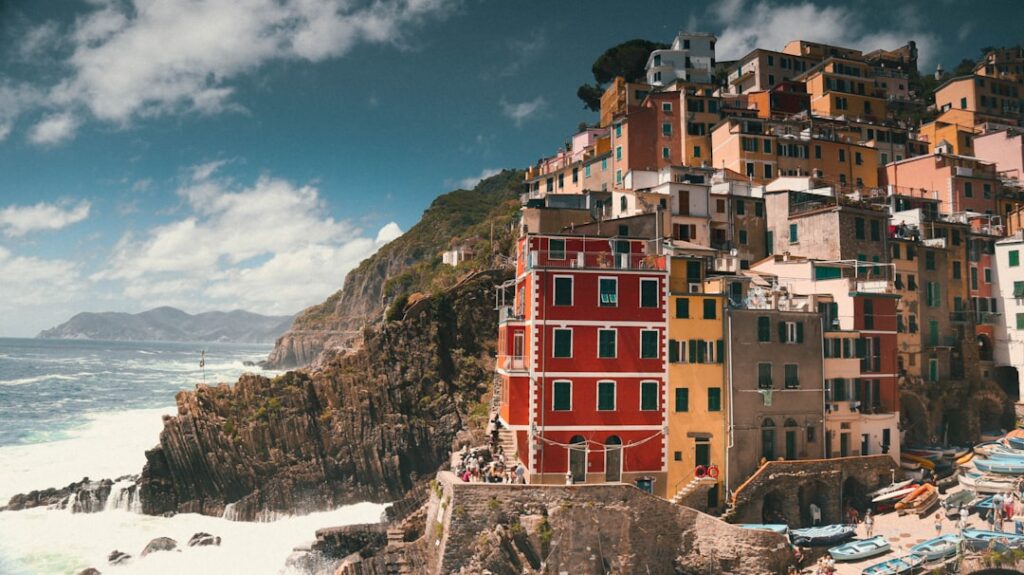






Introduction
The Sentiero Azzurro, or “Blue Path,” is the pedestrian heart of the Cinque Terre — that dramatic string of five cliffside villages along the Ligurian coast between Levanto and La Spezia. For first-timers it’s the epitome of a Mediterranean hike: breathtaking sea views, medieval alleys with painted facades, terraced vineyards and clear-water coves perfect for cooling off after a walk. But tackling the Sentiero Azzurro unprepared can turn the magic into discomfort: steep trails, sections sometimes closed due to landslides, quickly changing weather and facilities that vary by season all demand good planning.
In this comprehensive overview I’ll walk you through what the Sentiero Azzurro actually is, how it connects the five villages — Monterosso al Mare, Vernazza, Corniglia, Manarola and Riomaggiore — which sections are easy or technical, how to buy the Cinque Terre Card, what hours and prices to expect, which addresses and info points to remember, and most importantly practical tips to enjoy the hike safely. This guide is aimed at beginners: I explain the pace to adopt, recommended gear, alternatives if a section is closed, how to get around by train, where to rest and where to swim after the walk.
Beyond logistics, I also describe the sensory experience: the scent of rosemary and rockrose warmed by the sun, the slap of waves on the rocks, vineyards held up by dry-stone walls, and restaurant terraces where you can taste local specialties like focaccia di Recco, pesto alla genovese and marinated anchovies. You’ll find precise addresses in this guide (stations, tourist offices, parking), indicative opening times, prices in euros for passes and services, and local tips to avoid crowds and tourist traps.
I’ve also added visual markers — image cues — to help you anticipate the most photogenic moments on the trail. They can double as a checklist when preparing your shots or personal postcards. Whether you’re a casual weekend hiker or a traveler planning to cross the Cinque Terre on foot for the first time, this complete guide will give you the keys to turn the Sentiero Azzurro into a calm, safe and unforgettable experience.
 Click here to Book a boat trip with snorkeling and snacks
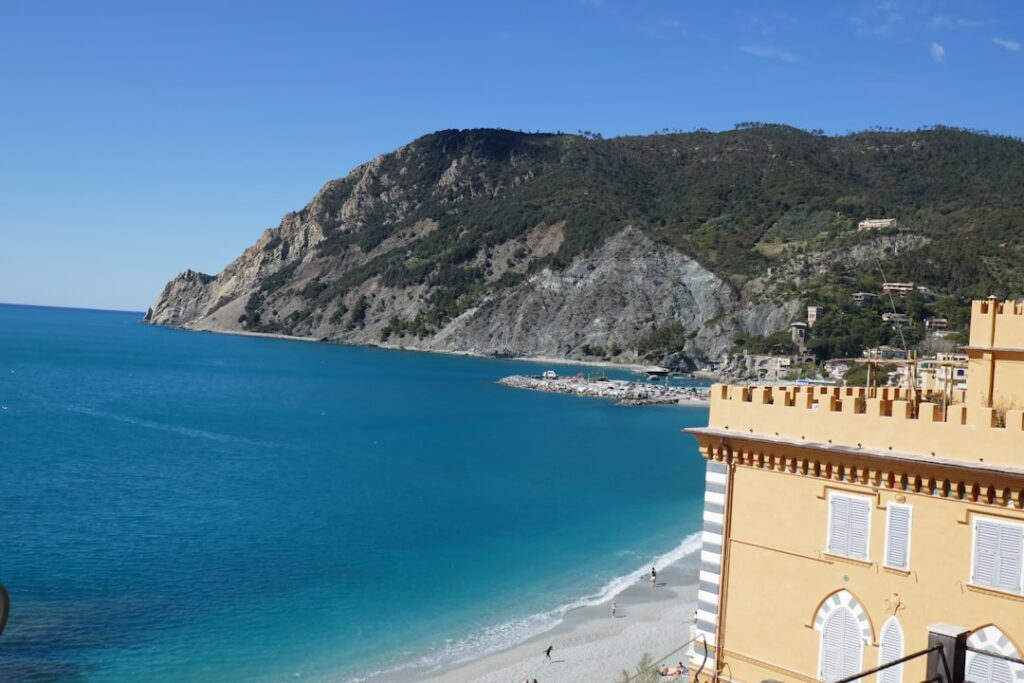
Overview of the Sentiero Azzurro and the Cinque Terre context
The Sentiero Azzurro is a signature stretch of the trail network inside the Parco Nazionale delle Cinque Terre. Historically traced by villagers who traveled between settlements, it runs along the coastal slopes linking, in the classic order, Riomaggiore, Manarola, Corniglia, Vernazza and Monterosso al Mare. The entire main pedestrian portion measures roughly 12 kilometers if you walk all four open sections, but the cumulative elevation gain and the technical nature of some passages make time a better indicator than distance. For beginners it’s often recommended to break the crossing into stages: Riomaggiore → Manarola (via the Via dell’Amore if open), Manarola → Corniglia, Corniglia → Vernazza, Vernazza → Monterosso.
The Cinque Terre National Park is responsible for maintaining the trail network and ensuring hiker safety. In recent years, due to landslides or consolidation works, some sections may be temporarily closed. Buying a Cinque Terre Card Trekking from official information points grants access to the park-maintained trails and helps fund maintenance. The indicative price for the Cinque Terre Card Trekking is about €7.50 (daily rate for trail access), while the Cinque Terre Card Treno (which combines trail access and unlimited regional trains between Levanto and La Spezia for the day) is around €16.00–€18.00 depending on the season; prices can change and reduced rates for children and families exist. Buy the card at an official information point to get maps and route advice.
Information desk opening hours vary: in high season (April to October) most tourist offices and park ticket booths are open from 08:30 to 18:30, sometimes earlier depending on location; in low season hours may be reduced (09:00–16:00). Train stations serving the villages follow Trenitalia regional timetables; the first local trains arriving at La Spezia often start around 05:30–06:00, and some services run past midnight on certain routes. If you plan to arrive early to avoid the crowds, check train times on the Trenitalia website beforehand.
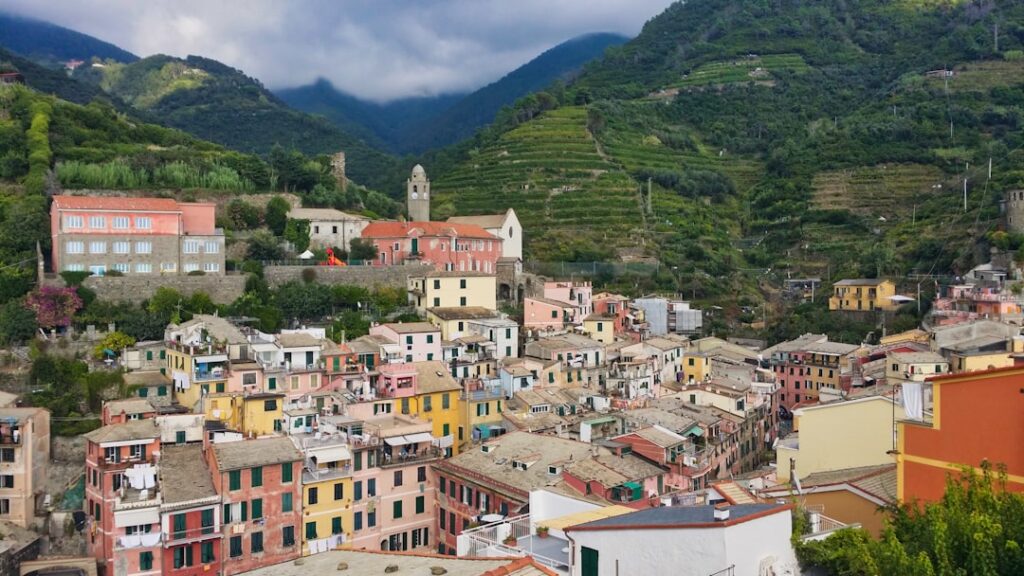
Detailed route: stage by stage
For beginners it’s essential to know the characteristics of each section of the Sentiero Azzurro so you can manage your pace. Below is a detailed description, from north (Monterosso) to south (Riomaggiore), including station addresses, estimated times, difficulty and highlights for each stage.
1) Monterosso al Mare → Vernazza
A long, scenic stretch: about 3.5 to 4.5 km depending on the exact route, estimated time 1h45–3h depending on pace. Station: Stazione di Monterosso, Piazza Garibaldi, 19016 Monterosso al Mare SP, Italy. Monterosso offers a large sandy beach (Spiaggia di Fegina) and a pedestrian old town around Piazza Giuseppe Garibaldi. The trail leaves Monterosso by climbing quickly via rock-cut steps, winds through terraced vineyards and offers sweeping views of the bay. The descent into Vernazza features long, sometimes worn steps: be cautious in wet conditions.
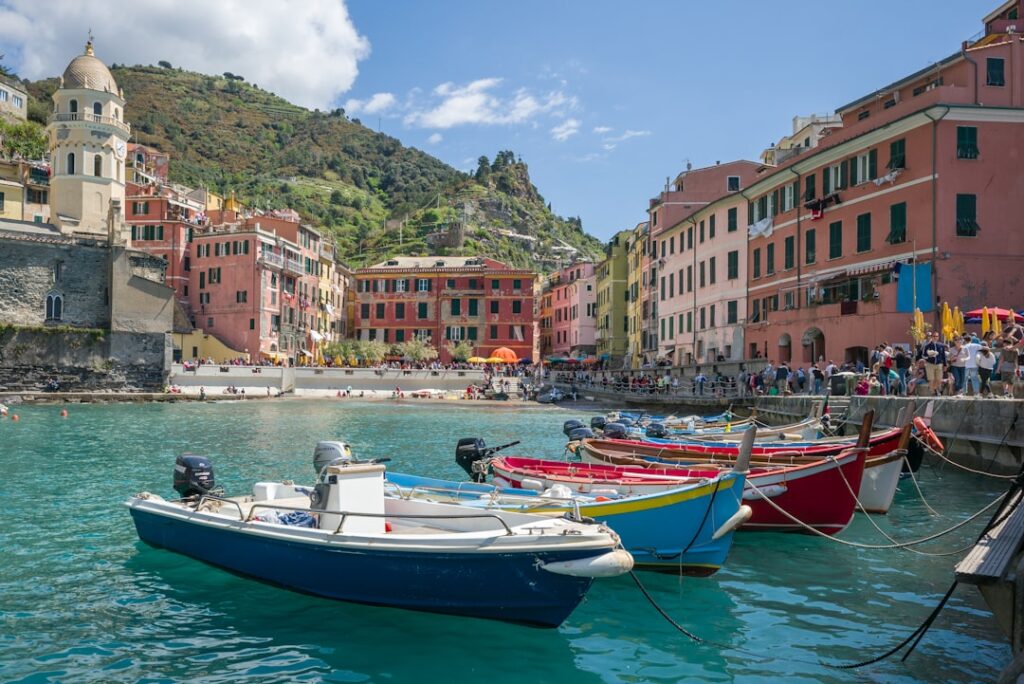
Vernazza is often described as the most photogenic village: its natural harbor, small beach, the church of Santa Margherita d’Antiochia (Piazza Marconi, 19018 Vernazza SP) and the Doria Castle (Castello Doria, Via Roma, 19018 Vernazza) are worth visiting. In Vernazza the local tourist office (Ufficio Informazioni e Accoglienza Turistica – Piazza Marconi) is generally open from 09:00 to 18:00 in high season. Plan a break and a drink by the harbor before you set off again.
2) Vernazza → Corniglia
Section of about 3.5 km, time 1h30–2h30. The initial climb is sustained: after Vernazza the trail ascends to ridgelines that offer plunging sea views and a view back to Vernazza’s tower. Corniglia, unlike the other villages, has no direct sea access; it sits on a promontory about 100 meters above sea level. Station: Stazione di Corniglia, Via alla Stazione, 19016 Corniglia SP, Italy — note that you’ll need to climb the “Lardarina” (the 382 steps) or take the free shuttle from the station if it’s operating.
Corniglia is quieter, with narrow alleys, family-run taverns and the lovely San Giorgio viewpoint terrace (Via Fieschi) where the sea view is superb. For a relaxed lunch, Trattoria A Cantina de Mananan? (check the local name) often offers homemade dishes; look for eateries around Via Fieschi and Via al Castello. The village is ideal for soaking up a more rural atmosphere before heading on to Manarola.
3) Corniglia → Manarola → Riomaggiore
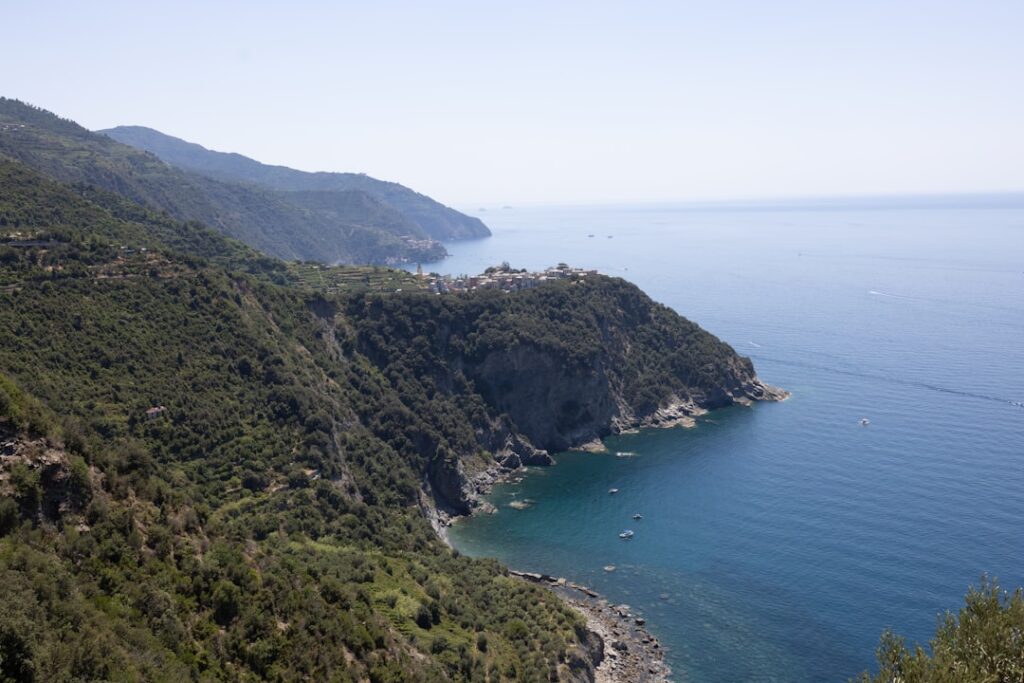
The final portion consists of two stretches: Corniglia → Manarola (about 3 km, 1h15–2h) and Manarola → Riomaggiore (1.5 km, 30–50 min). The Manarola → Riomaggiore section includes the famous Via dell’Amore, an artificial promenade carved into the cliff; however it is often partially or fully closed for repairs, so check beforehand.
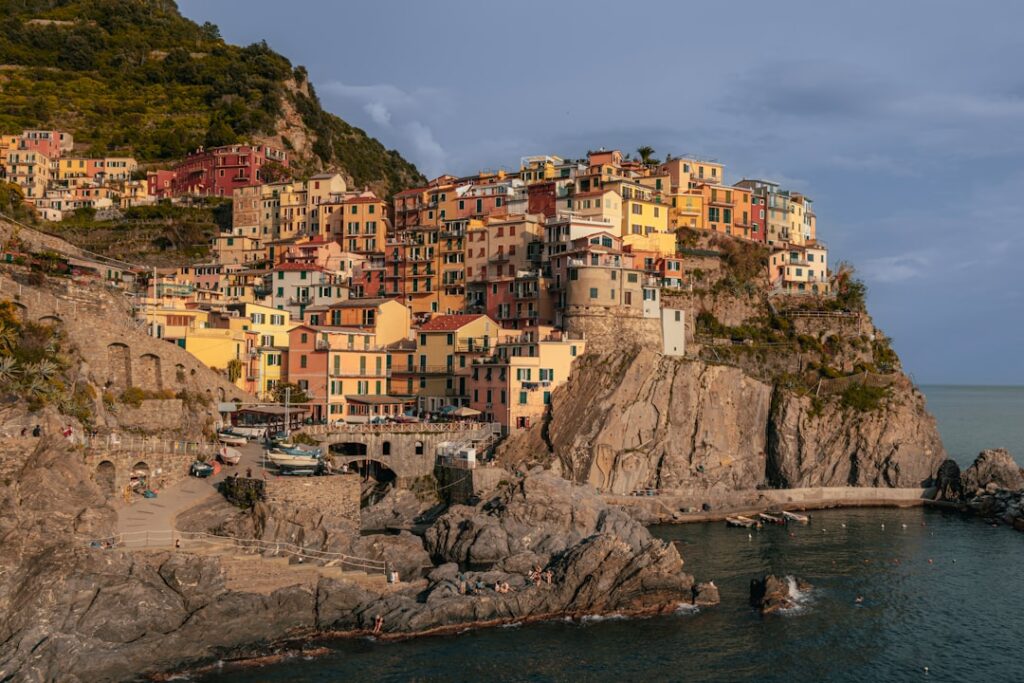
Manarola station: Stazione di Manarola, Via Discovolo, 19017 Manarola SP, Italy. Manarola is known for its postcard-perfect view of a tiny marina, colorful stacked houses, and the popular Manarola Viewpoint often photographed at sunset. In Riomaggiore (Stazione di Riomaggiore, Piazza Cappellini, 19017 Riomaggiore SP, Italy) the harbor promenade and Via Colombo host restaurants and bars to finish your day; try a plate of trofie al pesto and fresh seafood.
Click here to Book a guided hike in the Cinque Terre
Preparation, gear and safety
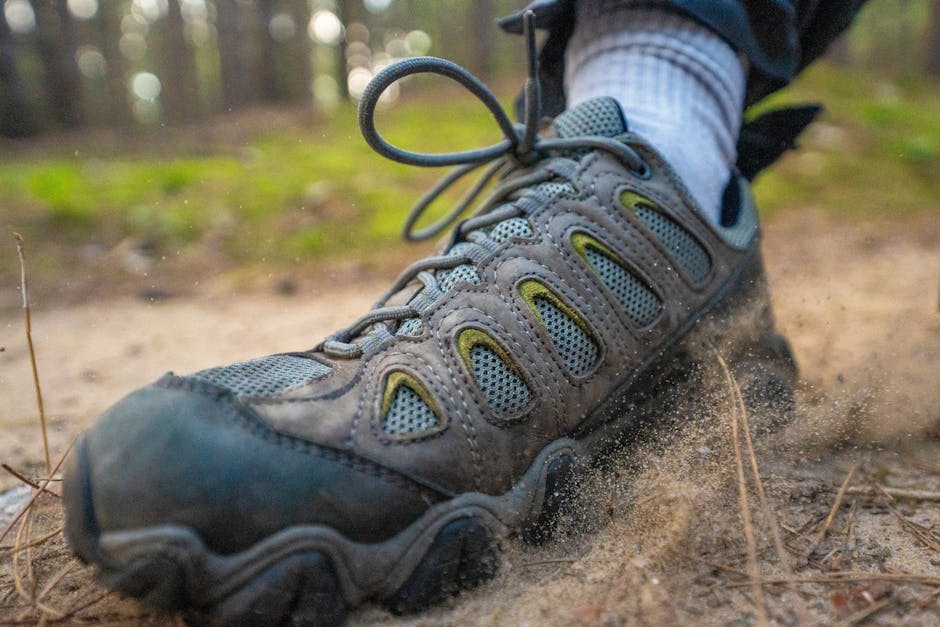
For a beginner, the key to a successful hike on the Sentiero Azzurro is preparation. Footwear: bring lightweight hiking shoes with grippy soles. Flip-flops or sandals are not suitable, even in summer. Clothing: pack a light layer, a fleece for wind and a compact waterproof jacket — the coastal microclimate can shift quickly. Backpack: 20–30 liters is enough for water, snacks, a first-aid kit, maps and a camera. Hydration: bring at least 1.5–2 liters of water per person for a half-day, more in high summer. Food: energy snacks, sandwiches, dried fruit; several villages have small shops but prices rise on the waterfront.
Safety: follow the trail markings and don’t take shortcuts. If a section is closed, use the train between villages; regional trains between Monterosso and La Spezia run frequently in high season (every 15–30 minutes on local routes). Carry a paper map or download offline maps (for example on Maps.me). In an emergency call 112 in Italy; also note the contact details for park offices and local rescue posts. In rainy weather some passages become slippery and dangerous: it’s better to postpone the hike.
Local practical tips: start early in the morning (ideal departure before 09:00) to avoid heat and crowds. Stop at viewpoints and small grocery shops (alimentari) to taste local pesto, focaccia and Sciacchetrà — the region’s sweet wine. Respect the terraced landscapes: never litter and don’t pick plants. Finally, hire a local guide for a half-day if you want to learn about the dry-stone walls (i “muretti a secco”) and ancient irrigation systems; that context will greatly enrich your experience.
Click here to Take a panoramic E-Bike tour of the Cinque Terre
Practical information: access, tickets, schedules, useful addresses and prices
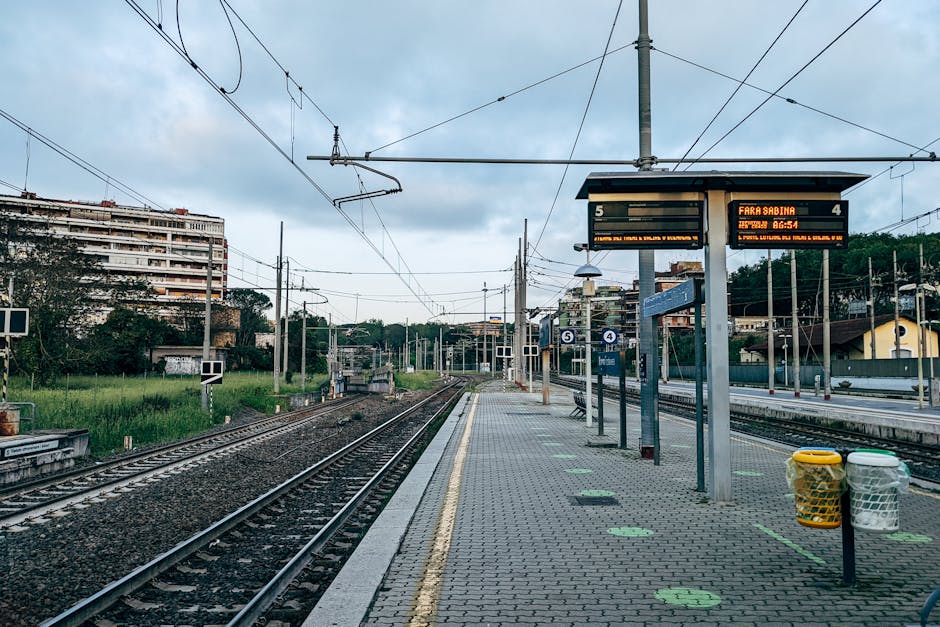
Main access: the easiest way to reach the Sentiero Azzurro is by Trenitalia regional train. Major stations served are:
- Stazione di La Spezia Centrale, Piazza Stazione, 19122 La Spezia SP (national and regional connections).
- Stazione di Levanto, Piazza Cavour, 19015 Levanto SP (to the north, alternative starting point for Monterosso).
- Stazione di Monterosso, Piazza Garibaldi, 19016 Monterosso al Mare SP.
- Stazione di Vernazza, Piazza Marconi, 19018 Vernazza SP.
- Stazione di Corniglia, Via alla Stazione, 19016 Corniglia SP.
- Stazione di Manarola, Via Discovolo, 19017 Manarola SP.
- Stazione di Riomaggiore, Piazza Cappellini, 19017 Riomaggiore SP.
Parking for cars is concentrated outside the villages (except Monterosso, which has a paid car park near the station). Examples: Parcheggio Comunale di Monterosso (Via Fegina, 19016 Monterosso al Mare) — rates vary by season; expect €2.00–€3.50 per hour in high season and day rates of €15–€25.
Tickets and cards:
- Cinque Terre Card Trekking: access to maintained trails. Indicative price: €7.50 per person/day.
- Cinque Terre Card Treno (Trekking + unlimited regional trains between Levanto and La Spezia for the day): about €16.00–€18.00 per person/day.
- Trenitalia regional tickets: fares vary by distance (e.g. La Spezia → Monterosso around €4–€7, depending on the route).
Buy the Cinque Terre Card at official information points (Ufficio Informazioni e Accoglienza Turistica) located in Monterosso (Piazza Garibaldi), Manarola (near Stazione di Manarola), and Riomaggiore (Piazza Cappellini), as well as at park offices and on the official Cinque Terre APP (if available). Office opening hours: generally 09:00–18:00 in the tourist season, but they can be extended depending on the period.
Base prices for additional services: a local shuttle between station and village (when available) costs about €1.50–€2.00; day parking near Monterosso can reach €20–€30 in summer; a simple meal in a trattoria ranges from €12 (daily dish) to €30–€40 (full seafood menu). Half-day guided tours with a local guide are typically around €60–€90 per person in small groups, depending on the season.
Useful addresses and contacts:
- Parco Nazionale delle Cinque Terre – Ufficio Informazioni: Piazza Garibaldi, 1, 19016 Monterosso al Mare SP (seasonal hours 09:00–18:00).
- Ufficio Turistico Vernazza: Piazza Marconi, 19018 Vernazza SP (09:00–18:00 in high season).
- Stazione di La Spezia Centrale: Piazza Stazione, 19122 La Spezia SP (Trenitalia ticket offices open early in the morning).
Note that these hours and rates are indicative and may change; always check official sites (Parco Nazionale delle Cinque Terre, Trenitalia) before you go.
Click here to Book the premium train tour of all 5 villages
Conclusion
The Sentiero Azzurro is an accessible and magical experience for beginner hikers who take the time to prepare and respect the pace of the place. Between sea panoramas, colorful villages and terraced vineyards, every step reveals a chapter of the living memory of the Cinque Terre. To fully enjoy the crossing, organize your day: start early to avoid heat and crowds, equip yourself properly (shoes, water, sun protection), buy the Cinque Terre Card if you plan to hike multiple sections or use the train, and always keep weather and possible trail closures in mind. The station and tourist office addresses listed above will be practical anchor points to begin and end each stage.
Beyond the practicalities, let yourself be carried by the slow rhythm of the villages: take a coffee break in Vernazza, jump into the sea at Monterosso al Mare on the Spiaggia di Fegina, enjoy an aperitif at sunset in Manarola, and stroll the alleys of Riomaggiore in the evening. Respect the locals and the landscapes — the terraced farms need daily care and are the result of centuries of human labor. If in doubt, contact the park offices or hire a local guide: their knowledge of the terrain and local stories will enrich your hike.
Finally, don’t forget to check real-time information before you leave (trail openings, train schedules, updated fares) on official websites and prepare a few alternatives (train itinerary, visit to a neighboring village or a beach day) so your visit remains flexible and enjoyable. With good planning, the Sentiero Azzurro offers one of Italy’s most memorable coastal walks — perfect for a first taste of coastal hiking and the raw beauty of Liguria. Have a great trip and enjoy your walk!