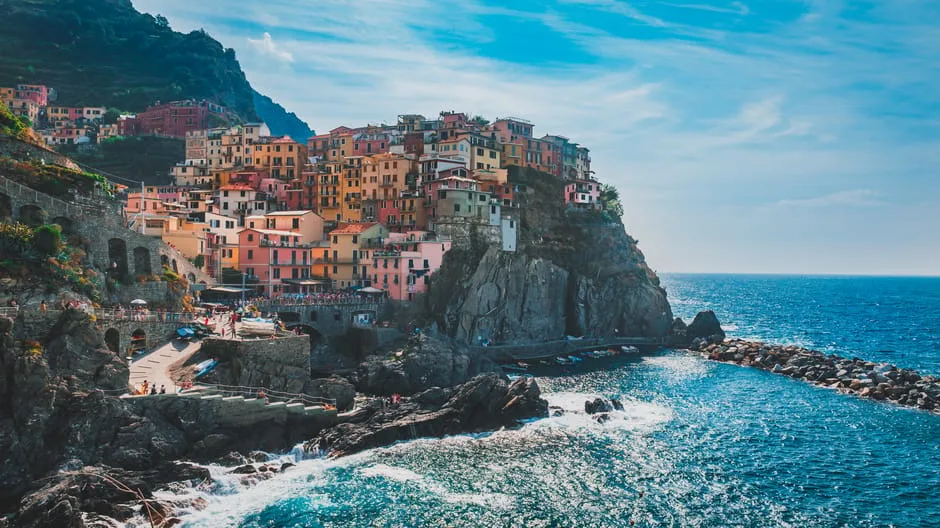





Introduction — Coastal tour: an overview of the five Cinque Terre villages
The Cinque Terre, literally “the five lands,” are a string of colorful villages clinging to the cliffs of the Ligurian coast in the La Spezia area of Italy. Monterosso al Mare, Vernazza, Corniglia, Manarola and Riomaggiore make up this unique UNESCO World Heritage site. Their pastel houses, narrow alleyways, terraced olive groves and turquoise coves create a coastal landscape rarely matched in Europe. This coastal tour aims to give you a practical, immersive snapshot of each village, with clear details on sights, useful addresses, opening hours, indicative prices in euros and local tips to make the most of your visit.
Whether you’re planning a quick day trip from La Spezia or a multi-night hop between villages, knowing the geography, access options and highlights of each place will help you build an efficient, enjoyable itinerary. These villages aren’t just postcards: they’re living communities where fishing, winemaking and local crafts continue. You’ll find historic churches, panoramic hiking paths (notably the famous Sentiero Azzurro), small museums, coastal viewpoints and cuisine focused on fresh seafood, pesto pasta and the Vermentino wines from the surrounding hills.
This general guide walks you through each village in detail, with exact addresses (train stations, tourist offices, key landmarks), practical hours (typical opening times for services and sites), prices in euros (trail access fees, ferry fares and admission costs where applicable) and vivid descriptions to prepare your coastal excursion. Each section also includes local tips: best times to visit to avoid crowds, trail alternatives for different fitness levels, where to find authentic focaccia and how to optimize travel by train or boat. You’ll also find information on useful passes and cards (the Cinque Terre Card, ferry passes), essential for hikers and visitors planning to move easily between villages.
Before you go: plan according to the season (high season: June–August, very busy; low season: November–February, weather more unstable), check trail status (temporary closures for maintenance can happen), and book in advance if you plan to travel by boat or dine at popular restaurants. Trails can be steep and very exposed to the sun; bring water, a hat and comfortable hiking shoes. Finally, respect local rules: don’t leave trash, follow trail markings and keep noise down in residential areas.
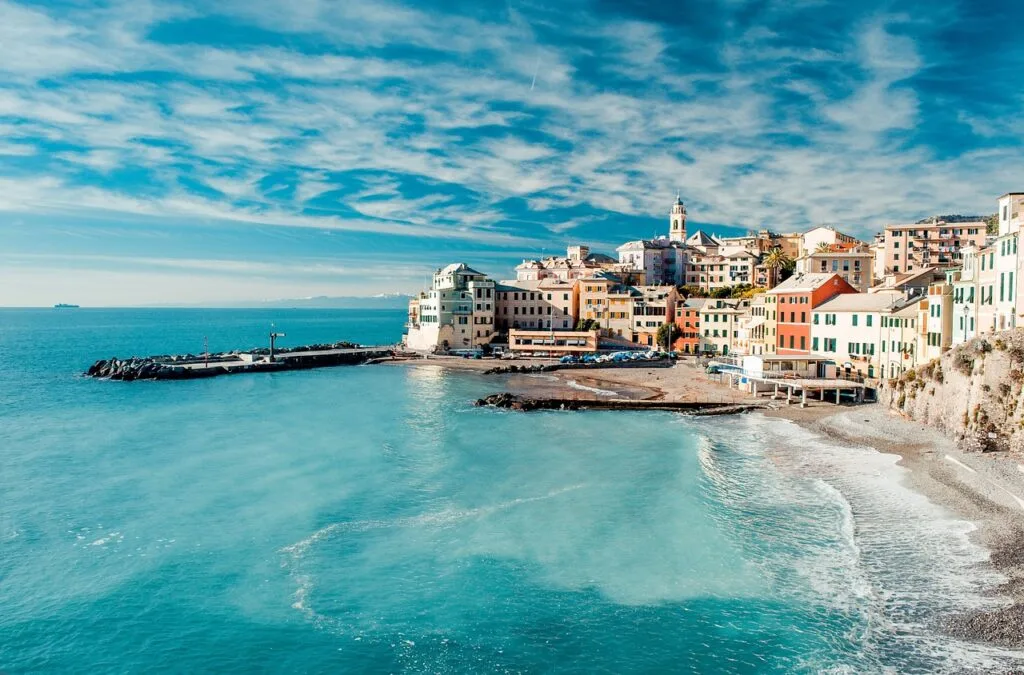
1. Monterosso al Mare — Harbor, beaches and historic panoramas
Monterosso al Mare is the largest and most beach-oriented of the five villages. It’s split into two distinct parts: the old town (Monterosso Vecchia) with its medieval charm, and Fegina, a more modern seaside quarter offering the biggest beach and tourist services. Monterosso is perfect for visitors wanting a mix of culture, beaches and easy hikes.
Addresses and access
- Stazione di Monterosso — Piazza Giacomo Matteotti, 1, 19016 Monterosso al Mare SP, Italy. This is the main arrival point if you travel by regional train (Ligurian line).
- Ufficio Informazioni Turistiche Monterosso — Piazza Garibaldi, 2, 19016 Monterosso al Mare SP; typical hours: 09:00–18:00 (April–October), 09:30–16:30 (November–March).
- Spiaggia di Fegina — Lungomare Fegina, 19016 Monterosso al Mare SP; public beach and private beach establishments.
Immersive description: arriving at the station you head down narrow lanes that open onto shaded squares, café terraces and a palm-lined promenade. Fegina beach stands out for its sand and sections of paid sunbeds and umbrellas, while the old town has small rocky inlets for swimming. The promontory above the old harbor provides a spectacular viewpoint over the bay, especially magical in the late afternoon when the sun gilds the pastel façades.
Hours and prices
- Public beaches — free access. Sunbed and umbrella rentals: €8–€20 per day depending on location and season.
- Chiesa di San Giovanni Battista (old church) — Via Roma, 19016 Monterosso al Mare SP; free entry, visits usually possible in the morning and late afternoon depending on services.
- Castello di Monterosso — Via Capitano Zambelli, 19016 Monterosso al Mare SP; some outdoor areas accessible for free; occasional exhibitions with entrance fees generally €3–€7.
Local tips: arrive early in summer to enjoy the beaches before the crowds; for lunch try the focaccia di Recco or a cheese focaccia at a local bakery (average price €2.50–€6 depending on size). Trails toward Levanto and the Sentiero Azzurro (the Monterosso–Vernazza section) are very busy; for a quieter hike, take the trail to the Sanctuary of Soviore (longer but wooded and shaded).
 Click here to book a Monterosso kayak and snorkeling trip
Click here to book a Monterosso boat trip with lunch
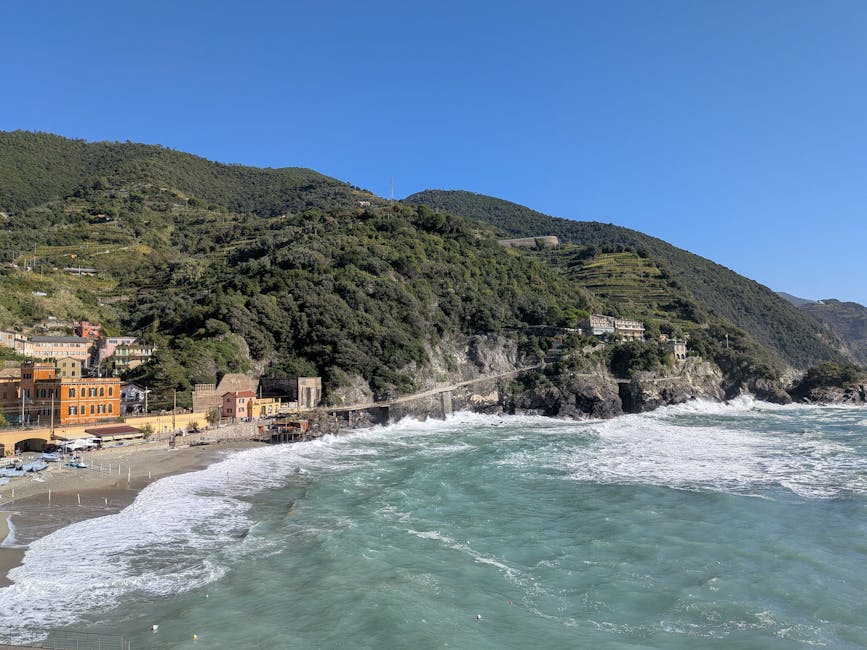
2. Vernazza — The postcard village: harbor, church and sea views
Vernazza is often seen as the quintessential postcard of the Cinque Terre: a crescent-shaped harbor protected by a jetty, colorful houses clinging to the cliff and the church of Santa Margherita d’Antioco overlooking the port. The village’s compact size makes it easy to explore on foot in an hour or two, but it’s the panorama and maritime atmosphere that steal the show.
Addresses and access
- Stazione di Vernazza — Piazza Marconi, 19018 Vernazza SP, Italy. Exit the station and it’s just a short downhill walk to the harbor.
- Ufficio Informazioni Turistiche Vernazza — Via Roma, 19018 Vernazza SP; typical hours: 09:00–19:00 (April–September), reduced hours off-season.
- Chiesa di Santa Margherita d’Antioc — Via Roma, 19018 Vernazza SP; built in the 13th century, it’s a fine viewpoint over the harbor.
Immersive description: Vernazza’s harbor, with its colorful boats and bright façades, gives a feeling of intimacy despite summer crowds. Stroll along the jetty or climb the narrow lanes to the Piazzetta to hear the gentle slap of waves and conversations in many languages. The main square, ringed with bars and restaurants, is the social heart of the village. Climb to the Belforte tower or the higher trails for panoramic views where sea and vineyards intertwine.
Hours and prices
- Access to the harbor and jetty — free. Swimming from the rocks or the small beaches is free.
- Monterosso–Vernazza trail (section of the Sentiero Azzurro) — passage is included with the Cinque Terre Card Trekking. Indicative price: €16.00 for one day (1-day rate; check the ticket office for seasonal variations).
- Boats & ferries (Consorzio Marittimo Turistico) — coastal routes operate in high season; indicative price for a crossing Monterosso–Vernazza or Vernazza–Manarola: €8.00–€12.00 per person depending on route and season. Tickets sold at the port ticket office or online.
Local tips: the best light for photos is early morning or late afternoon (the golden hour). If you want a quiet swim, avoid the small central beach at peak times and head up to the rocky coves. For a typical meal, wander into the side alleys and try “acciughe sotto sale” (salted anchovies) or linguine with clams; expect a price of €12–€28 per main course at a seaside restaurant. Reserve a sunset table if you want a panoramic dinner.
Click here to book a Vernazza sunset boat with aperitif
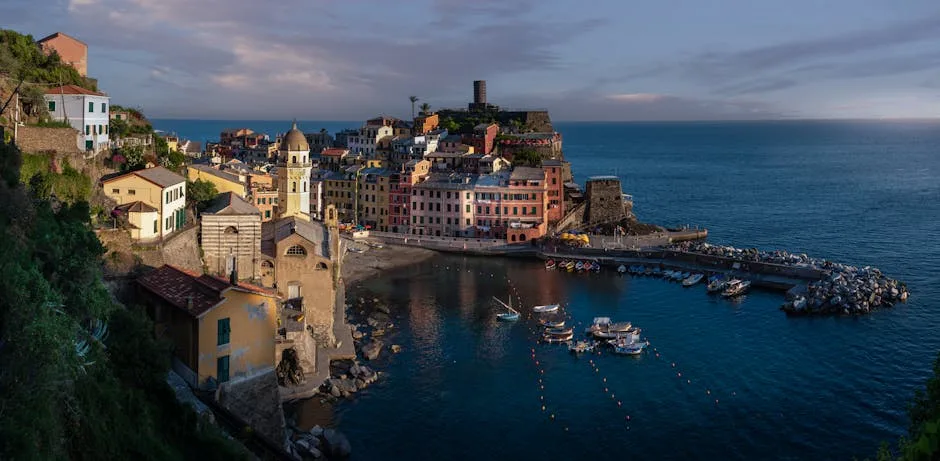
3. Corniglia — The hilltop hamlet: peace and terraced vineyards
Corniglia is the most unusual of the five villages because it sits on a promontory about 100 meters above sea level and has no direct boat access (the station is down below). This hamlet keeps a quieter, more rural character: medieval lanes, small shaded squares and terraced vineyards that slope down toward the sea. Corniglia is ideal for visitors seeking calm, vineyard walks and panoramic views away from the busy harbors.
Addresses and access
- Stazione di Corniglia — Via Roma, 19018 Corniglia SP (station below; then climb 382 steps via the “Lardarina” staircase or take the local minibus).
- Mini-bus to Corniglia — local service connecting the station to the center of Corniglia (Piazza San Pietro); stop: Via Luigi Pastore. Indicative price: €1.50–€2.50 per trip (varies by season), frequent service in the morning and afternoon during high season.
- Piazza San Pietro — the village heart, home to the parish church and a few cafés.
Immersive description: from the main square you feel the place’s history: stone houses, flowered balconies and the scent of wild herbs. Vineyard terraces, held up by dry-stone walls, face the blue sea, and the landscape is crossed by pastoral paths where you might meet local producers. Corniglia offers a different pace: you’ll do more walking than café-sitting, but each climb is rewarded with broad coastal views and a village-like atmosphere far from the bustle of the piers.
Hours and prices
- Lardarina staircase — open continuously, free. Be ready to climb 382 steps if you don’t take the bus.
- Local history museum / small exhibitions — some cultural venues run temporary exhibitions; entry fees: €2–€7 depending on the show.
- Trails and vineyards — access is free but respect private property; tastings at wineries: guided tastings €10–€25 depending on number of wines and inclusions.
Local tips: carry water and wear grippy shoes — Corniglia involves more steps and climbs. For a tasty break, look for a gelateria on the square or a small eatery serving a plate of local cold cuts and a glass of Vermentino (€8–€18 per portion depending on the place). For panoramic photos, head to the viewpoint at the edge of the village (Via Fieschi) at sunset.
Click here to join a Corniglia pesto lesson with tasting
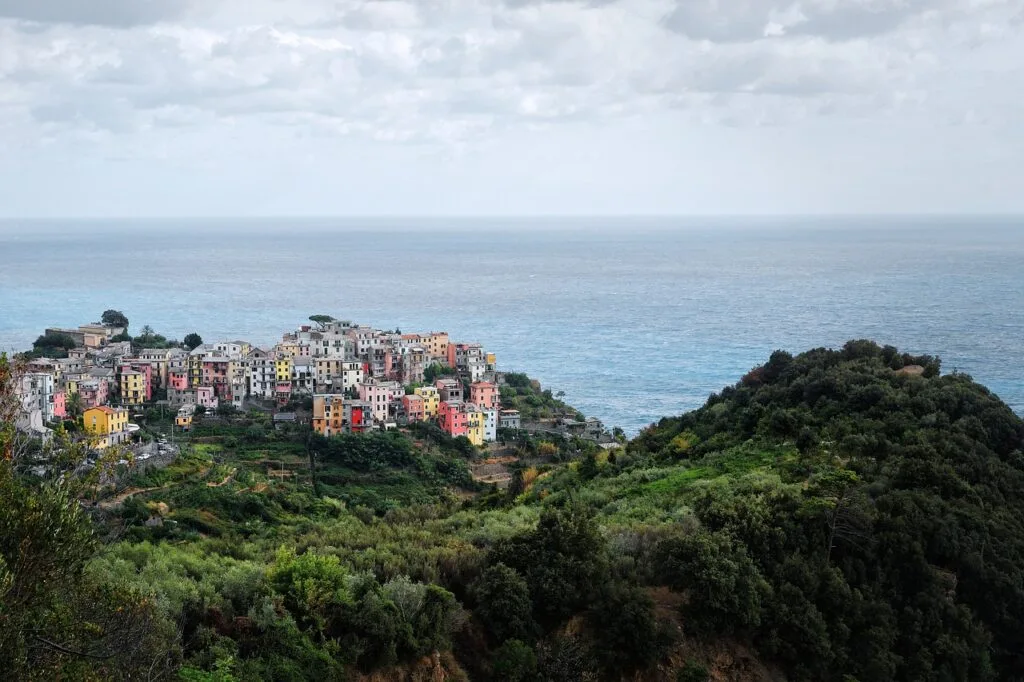
4. Manarola — Steep vineyards, clear waters and coastal trails
Manarola is known for its sloping lanes, stepped vineyards and easy access to coastal paths. Smaller than Monterosso, Manarola is extremely photogenic with houses stacked on the hillside and a fishing port that also gives access to small rocky coves. It’s a great base for longer hikes toward Corniglia or Riomaggiore.
Addresses and access
- Stazione di Manarola — Via Discovolo, 19017 Manarola SP; the station sits on the slope and you reach the village via a short pedestrian tunnel.
- Piazza di Manarola — Via Colombo, 19017 Manarola SP; a small central square with cafés and craft shops.
- Via dell’Amore (Manarola–Riomaggiore) — iconic coastal path (check opening status, sometimes closed for maintenance). If open, it’s an easy, highly scenic stroll.
Immersive description: Manarola’s layout makes visitors look down, where boats bob and fishermen mend nets. The slopes are covered in vines typical of the Ligurian landscape; in autumn the leaf colors are stunning. The terraces also provide calm spots to enjoy a glass of local wine, especially Sciacchetrà (the region’s sweet wine), often offered at tastings by small producers or at some restaurants.
Hours and prices
- Manarola overlook — accessible 24/7; free. The area is lit at night but watch your step on the stairs after dark.
- Via dell’Amore — if accessible: either a small access fee or included in the Cinque Terre Card; occasional symbolic fee of €2–€5 for maintenance, depending on seasonal management.
- Wine tastings at a local producer — €10–€30 depending on the number of samples and whether small food pairings (cheese, focaccia) are included.
Local tips: for a memorable experience, head down to the small harbor and find a rock to jump from (especially outside high season): the water is clear and refreshing. Photographers will love the morning light on the terraced façades. Seaside restaurants often offer a “pesce del giorno” (fish of the day) for roughly €18–€35 per main; prefer places recommended by the tourist office or local reviews to avoid tourist traps.
Click here to book a Manarola wine tasting experience
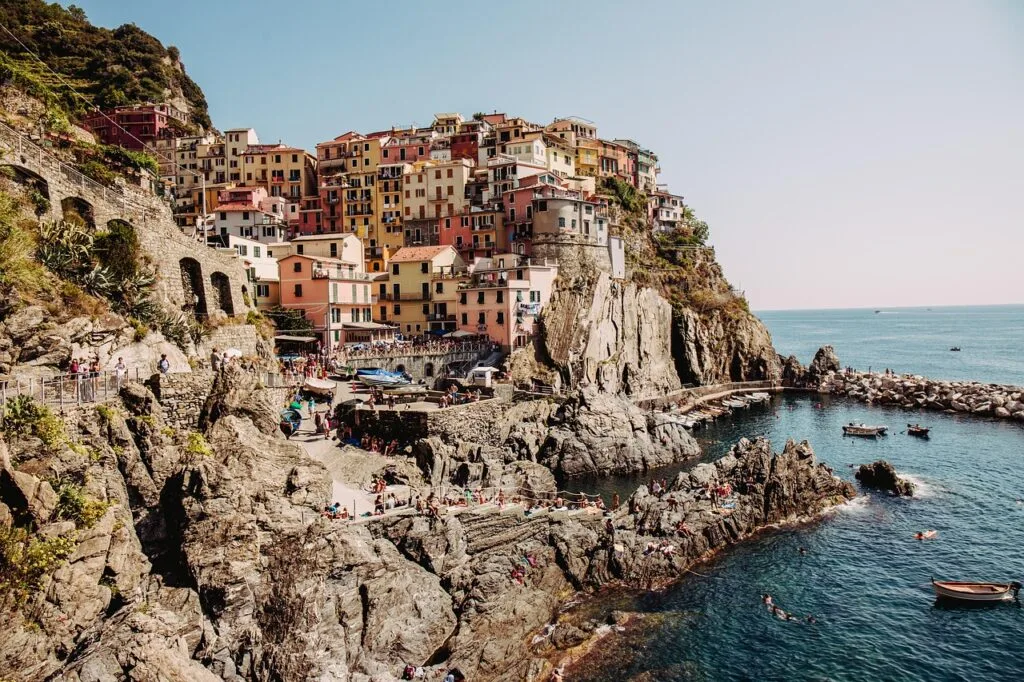
5. Riomaggiore — Harbor, fortifications and a gateway to the sea
Riomaggiore, at the southern end of the Cinque Terre, is often the first stop for travelers arriving from La Spezia. Its center is a succession of steep lanes lined with craft shops, trattorie and a picturesque harbor. The view from the top of the village over the gulf and cliffs is dramatic; it’s also a frequent departure point for boat trips and diving tours run by local operators.
Addresses and access
- Stazione di Riomaggiore — Piazza R. Bonghi, 19017 Riomaggiore SP; the station sits in the heart of the village.
- Ufficio Informazioni Turistiche Riomaggiore — Via Colombo, 19017 Riomaggiore SP; hours vary, often 09:00–17:00 in high season.
- Castello di Riomaggiore / Via San Giuseppe — ancient fortifications and viewpoints accessible via steep lanes.
Immersive description: as you wander, you’ll notice the maritime rhythm: nets, the smell of fish, and the hustle of small diving businesses. The lanes open onto abrupt stairways leading to shaded little squares; from there the mountain plunges into the sea and the horizon opens into wide blues. Sunsets in Riomaggiore are often dramatic: façades glow warm while boats rock in the harbor. Trails leaving Riomaggiore toward Manarola (Via dell’Amore) and beyond keep offering constant marine views.
Hours and prices
- Boat excursion departure point — local operators at the harbor; indicative prices: €15–€30 for short coastal cruises (30–60 minutes), €35–€70 for longer trips including swimming stops, depending on season and operator.
- Diving/snorkeling tours — guided outings roughly €40–€80 per person depending on duration and equipment provided.
- Small museums and exhibitions — entry fees vary: €3–€10 depending on the site.
Local tips: if you want a memorable sunset, book a table at a restaurant with a gulf view (reservations recommended in high season). To avoid crowds when arriving by train, exit on the east side of the platform; it’s often quicker to reach the harbor. Taxi-boat transfers between Riomaggiore and other villages can be booked in advance: expect to pay more than a regular ferry but gain flexibility (€40–€120 depending on distance and number of passengers).
Click here to book a Riomaggiore day cruise with snorkeling
Conclusion — Practical tips for a successful excursion
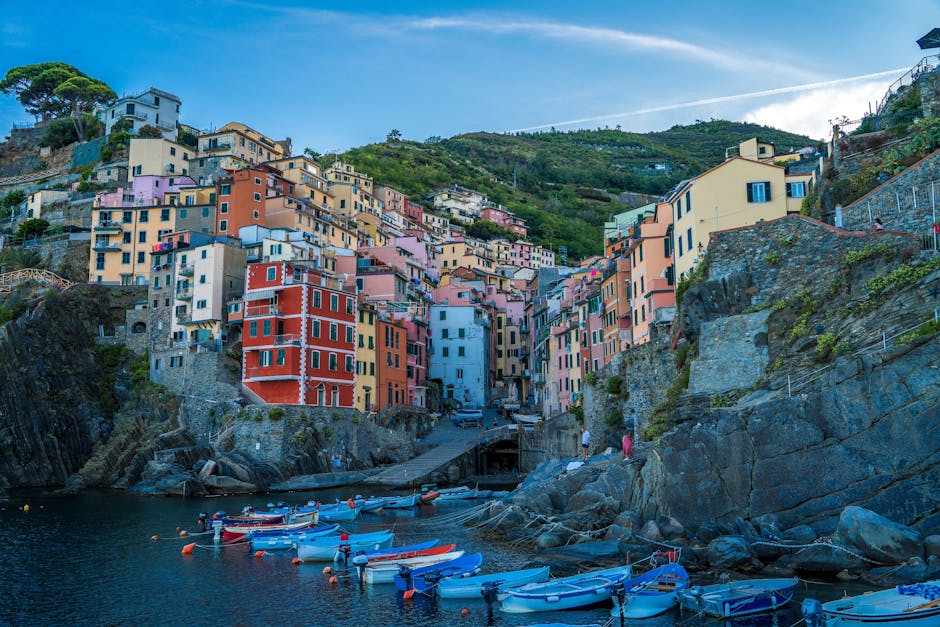
The Cinque Terre offer a complete coastal experience: lively beaches and harbors in Monterosso, picture-perfect views in Vernazza, peaceful retreats in Corniglia, terraced vineyards in Manarola and an authentic maritime vibe in Riomaggiore. To get the most from your trip, plan around the weather and the season: high season (June–August) brings sunny, dry days but heavy crowds and queues; spring and autumn offer pleasant temperatures and spectacular light, while winter is quiet but can be wet and cool.
Here are some practical recommendations summarized:
- Transport: regional trains between La Spezia and Levanto serve all Cinque Terre stations. Buy single tickets or opt for the Cinque Terre Card (indicative Trekking 1-day rate: €16.00; check current prices at the local ticket office). Ferries provide a sea perspective and complement travel routes, with fares varying by trip (€8–€20 indicative depending on distance and season).
- Trails: the Sentiero Azzurro links most villages but some sections may be closed for maintenance. Passage fees are often included in the Cinque Terre Card; without a card expect occasional individual fees depending on which sections are open.
- Dining: favor places recommended by the local tourist office for authentic cuisine. Budget approximately: starters or antipasti €5–€12, main courses €12–€35, desserts €3–€8, glass of local wine €3–€8.
- Gear: comfortable walking shoes, reusable water bottle (refill points in some villages), sun protection and a small first-aid kit. For hiking bring a paper map or an offline app: mobile coverage can be patchy on some trails.
- Respect the locals: respect protected areas, don’t pick plants, avoid swimming where prohibited and leave no litter. Buy local products (wine, olive oil, artisanal soap) to support village economies.
Finally, take time to slow down: each village reveals itself best by wandering, chatting with locals and tasting regional specialties. The Cinque Terre invite you to relax, blending youthful maritime scenery with centuries-old Ligurian traditions. Whether you’re a photographer, hiker or food lover, a well-planned coastal route will reward you with unforgettable panoramas, refreshing swims and warm local hospitality.
Safe travels — and remember: the beauty of the Cinque Terre lies as much in the sweeping views as in the small details of a lane, a worn door handle or a shared conversation over a seafood platter.