





Introduction: why bringing Sciacchetrà back from the Cinque Terre is a treasure
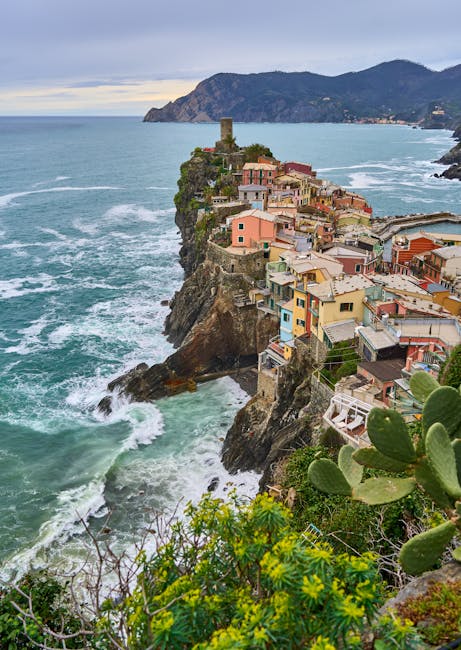
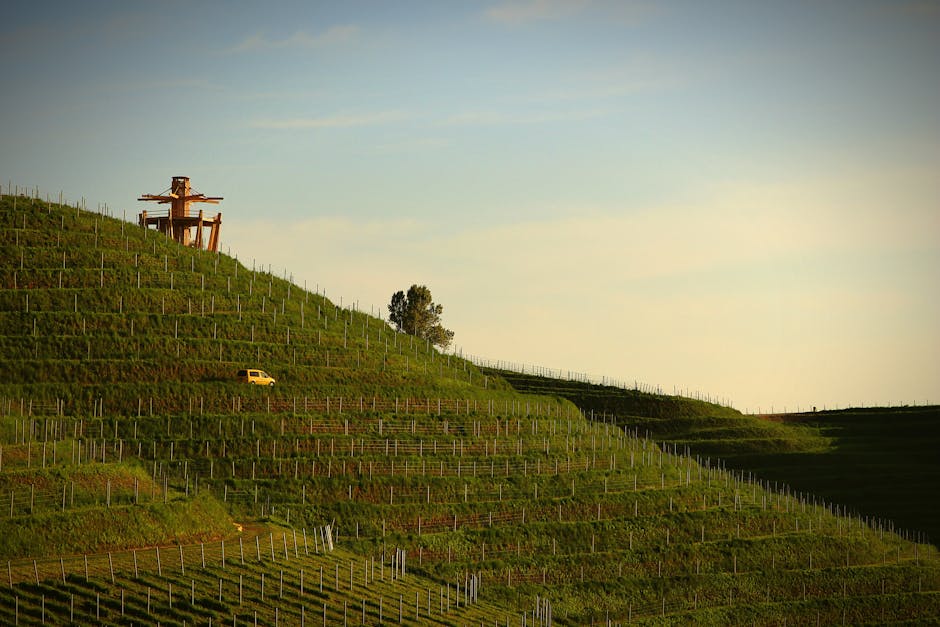
The Cinque Terre — Monterosso al Mare, Vernazza, Corniglia, Manarola and Riomaggiore — aren’t just picture-postcard Italy: they’re also the birthplace of a truly unique dessert wine, Sciacchetrà. Grown on steep terraces where vines fight against the sea, this sweet nectar soaks up the sun, the salt air and generations of winemakers’ labor. Bringing a bottle of Sciacchetrà home isn’t just about a wine; it’s taking home a slice of landscape, human effort and Mediterranean climate. Produced often in limited quantities and sold directly by small local estates, this wine deserves careful attention both at purchase and during transport.
In this wide-ranging introduction I’ll set the scene: what Sciacchetrà is, why it’s worth buying on site, and the first golden rules to get it home without breakage or customs surprises. Sciacchetrà falls under the Cinque Terre DOC or Colli di Luni designation depending on the producer; it’s made from partially dried grapes (passito method): Vermentino, Bosco, Albarola or other local varieties depending on the vineyard. It often has a syrupy texture with notes of honey, dried apricot, candied orange peel and a lively acidity that makes it less heavy than you might expect. Bottles are usually small — 375 ml or 500 ml — and prices vary widely by producer and rarity, typically from €20 to €80 a bottle (and more for special cuvées).
Buying on site has several advantages: bottle freshness, the ability to taste before buying, direct conversation with the winemaker or oenologist, and sometimes better prices than in export channels. But the Cinque Terre’s terrain is steep, roads narrow and trains crowded — all factors that complicate moving a bottle from the cellar to your hotel, the station and the plane. You also need to consider export rules (quantity limits for flights outside the EU, customs declarations), protective packaging, and storage conditions so the wine arrives in one piece. In the sections below I’ll give practical, concrete tips for buying, packing, transporting and storing Sciacchetrà, along with useful addresses, best visiting times, local price ranges and village-specific tricks.
 Click here to taste Sciacchetrà and visit the vineyards
Buying Sciacchetrà: where to taste and which producers to visit
Start at the enoteche (wine bars) and local cellars to taste before you buy. In Manarola, Enoteca Il Frantoio (Via Discovolo 1, 19017 Manarola, comune di Riomaggiore) is a good first stop: typically open from 10:00 to 22:00, with tastings costing €5–15 per person depending on the number of samples. In Vernazza, look for the small Enoteca da Eraldo (Piazza Marconi 2, 19018 Vernazza) open 11:00–21:00 in season; the staff often share the history of the terrace vineyards. For organized cellar tours, Cantina Lunae Bosoni (Strada Statale 1, 19038 Sarzana SP) is frequently recommended for its visits and Sciacchetrà bottlings; visits are by appointment: typically 09:30–17:30 Monday to Saturday, guided tours €15–25 per person including tasting.
Prices seen in local shops: 375 ml bottles around €25–45, 500 ml bottles €35–70, limited editions or older vintages €80 and up. Always ask if a bottle is numbered or a limited edition; these often cost more and can be sold only at the winery. Small family producers on the terraces may sell directly at the estate: a family-run vineyard open to visitors will often display its address locally (sometimes in hard-to-reach spots — ask at an enoteca or the tourist office for directions).
- Practical tip: bring cash: some micro-wineries don’t accept cards for small purchases.
- Practical tip: book cellar visits in high season (May–September).
Click here to discover a wine experience in Manarola
Click here to taste Sciacchetrà on a vineyard and cellar tour
Key addresses and opening hours in each village for buying and information
Monterosso al Mare: start at the Galleria d’Arte Enoteca Monterosso (Via Roma 20, 19016 Monterosso al Mare). Hours: 10:00–22:00 in season. Prices: tastings €8–12, Sciacchetrà bottles €30–60 depending on the producer. Monterosso also has the Stazione di Monterosso (Piazza Merloni, 19016 Monterosso al Mare): handy for getting your purchases to La Spezia or the airport; the station is open early to late and ticket machines are available 24/7.
Vernazza: the tourist office is at Piazza Marconi 7, 19018 Vernazza (open 09:00–18:00 off-season, until 20:00 in summer) and can provide producer contacts. For a simple tasting, Bar La Torre (Piazza Marconi 5) serves glasses of Sciacchetrà for €6–12.
Manarola: the main street enoteca (Via Discovolo) gathers several offers. Useful address: Manarola Tourist Info, Piazza Cappellini, 19017 Manarola (09:00–19:00). Local producers can be found wandering the panoramic trail toward Riomaggiore; ask the enoteca for pickup times and collection points.
Corniglia: perched on a cliff, the municipal enoteca is often next to the Chiesa di San Pietro (Piazza San Pietro, Corniglia). Hours vary; it’s best to call or check locally. Riomaggiore also has specialist shops along Via Colombo and near the harbor.
- Tip: note seasonal opening hours; many enoteche close early off-season.
Click here to taste wines and local products in Monterosso
Transporting Sciacchetrà safely: packing, shipping options and travel advice
Pack it carefully: when you buy, ask the seller if they provide reinforced packaging. Many cellars supply bubble wrap, purpose-made wine boxes and sometimes rigid sleeves for one or two bottles. If you buy several bottles (more than 3–6), consider a professional crate or foam inserts. Shops at La Spezia station (Piazza Dante Alighieri, 19124 La Spezia) sometimes sell packing kits and boxes ready for shipment.
Shipping options: wineries can ship to France or elsewhere via couriers (DHL, UPS or Poste Italiane). Typical cost: €25–70 depending on weight and destination in Europe; expect 3–10 days transit. Ask for a tracking number and insured packaging. Upside: you can leave without risking your bottles; downside: cost and wait time.
Airport transport: if you plan to carry bottles in the cabin, check your airline’s rules. Generally, liquids over 100 ml are not allowed in the cabin; they must go in checked luggage. Best practice: pack bottles in checked luggage inside a sturdy box and surround them with clothes. For low-cost flights, check baggage allowance: an extra checked bag can cost €20–60 depending on the carrier. On trains, avoid rush hours and keep bottles close by; prefer a rigid bag or a bottle carrier (sold for €10–30 in travel shops).
- Packing tip: use tissue paper, bubble wrap and towels; place one bottle per compartment.
- Customs tip: for non-EU travel, check duty-free allowances and have invoices ready for larger lots.
Storing and tasting Sciacchetrà at home: serving tips
Once you’re home, store Sciacchetrà away from light, ideally at 12–16 °C, lying down if it has a natural cork to keep the cork moist. This dessert wine often keeps for several years, with some high-quality vintages improving over a decade or more. Once opened, refrigerate and consume within 3–7 days: the acidity and sweetness help it hold up, but exposure to air gradually mutes the most volatile aromas.
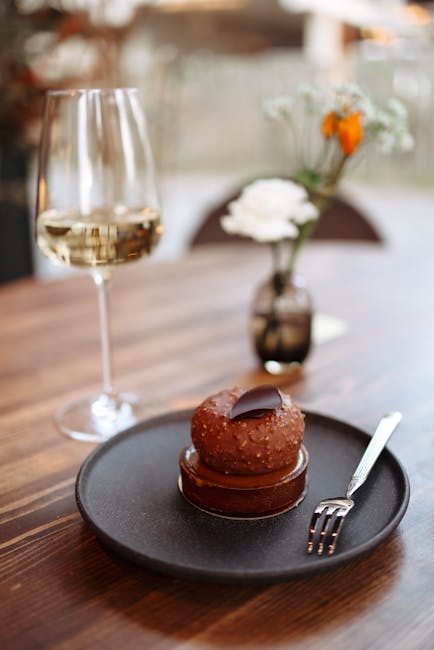
Serving and pairings: serve chilled at 10–12 °C in a tulip-shaped stemmed glass. Sciacchetrà pairs wonderfully with blue cheeses (e.g., Roquefort), almond- or apricot-based desserts, nut tarts and foie gras. Pour into small glasses to make the experience last: this is a wine for reflection as much as a festive dessert wine.
- Tasting tip: let the bottle rest 10–15 minutes out of the fridge before serving to release the aromas.
- Local pairing: enjoy it with a cantuccio (Tuscan biscotti) for a classic sweet-salty match.
Click here to learn how to make gnocchi and pesto
Click here to learn to make authentic pesto with wine tasting
Conclusion: bringing Sciacchetrà home — a liquid memento of the Cinque Terre
Bringing Sciacchetrà back from the Cinque Terre is no small thing. It requires thought — choosing the right producer, tasting on site, proper packaging and logistics — but the payoff is worth it: a bottle that captures salty air, summer warmth, the sweat of terrace vines and local know-how. By following the advice in this article — visiting the enoteche of Monterosso al Mare, Vernazza and Manarola, asking the tourist offices (Piazza Marconi in Vernazza or Piazza Cappellini in Manarola) for information, seeking out small family cellars, negotiating sturdy packaging or opting for insured shipment — you maximize your chances of bringing home an intact, authentic Sciacchetrà.
Don’t forget the practicalities: carry cash for micro-sales, ask for invoices for international shipments, check baggage allowance and customs rules if you travel outside the EU, and prefer checked luggage or secure courier shipping over cabin transport. A well-chosen and well-packed bottle will become a memorable gift, a personal keepsake or the highlight of an evening where you share Italy with friends. Finally, remember that Sciacchetrà is often produced in limited quantities: if you find a cuvée you love, don’t wait too long to buy. Bringing a bottle home is bringing back a story — and with these tips you’re ready to write yours with confidence.