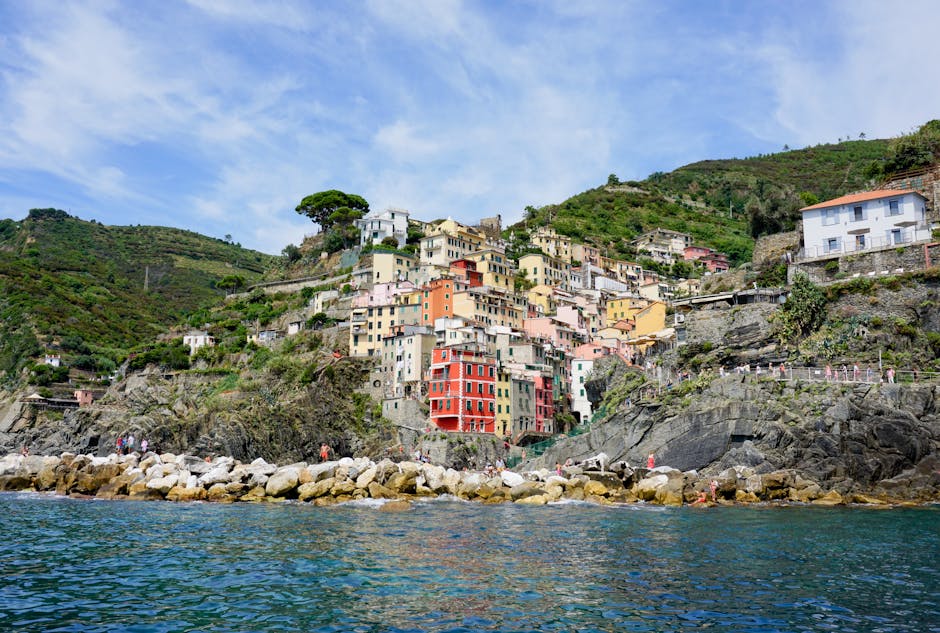






Introduction: Photographing Kids in the Cinque Terre — colors, sea and winding lanes
The Cinque Terre — that string of villages clinging to cliffs along the Ligurian coast — is a magical playground for photographing children. Monterosso al Mare, Vernazza, Corniglia, Manarola and Riomaggiore offer a one-of-a-kind visual palette: pastel façades, stone steps, tiny piazzas, hidden coves and trails that wind above the Mediterranean. Shooting kids here means capturing the pure joy of a race along a path, the curiosity at a brightly painted boat, or the wonder of sharing a snack on a low wall with the horizon as a backdrop. But this idyllic setting also brings technical and logistical challenges: high-contrast light, tight alleys, heavy tourist traffic in summer, and safety concerns around cliffs and water.
Before you head out with your camera, it’s essential to plan for the children’s comfort and to prepare the shoot. The Cinque Terre can be hot and sunny in summer, changeable and damp in spring and autumn. Walks often include stairs — the Sentiero Azzurro (Blue Trail) links the villages but has steps and slopes. Photographing kids naturally requires empathy, clear safety boundaries and good organization: regular breaks, snacks, water, sun protection and suitable footwear. In this article I offer a complete guide mixing technical tips, specific location suggestions with addresses and opening times, practical info on costs and access, and tricks to get beautiful images while respecting the youngsters’ pace.
We’ll cover the best times of day to shoot, how to compose spontaneous and posed scenes, which lenses and settings to favor, and where to find those irresistibly photogenic spots like Monterosso beach, Vernazza’s little harbor, Manarola’s panoramic terrace or Corniglia’s narrow alleys. For each location I’ll share framing tips tailored to kids: how to use a bench, stairs, a doorway arch or a balustrade to tell a story; how to play with the houses’ lines and colors for dynamic compositions; and how to turn constraints (narrow passages, crowds, harsh light) into creative opportunities.
Finally, I’ll give you practical local recommendations: indicative prices for the Cinque Terre Card (required for some trails and sometimes for train travel), addresses of interest (beaches, churches, viewpoints), estimated opening times, and tips to avoid peak crowds. My goal is to equip you so you return home with images full of spontaneity, tenderness and adventure — while keeping your family safe and happy. Charge your memory cards, check your batteries, and let the villages guide you: the Cinque Terre serve up a photogenic scene at every turn.
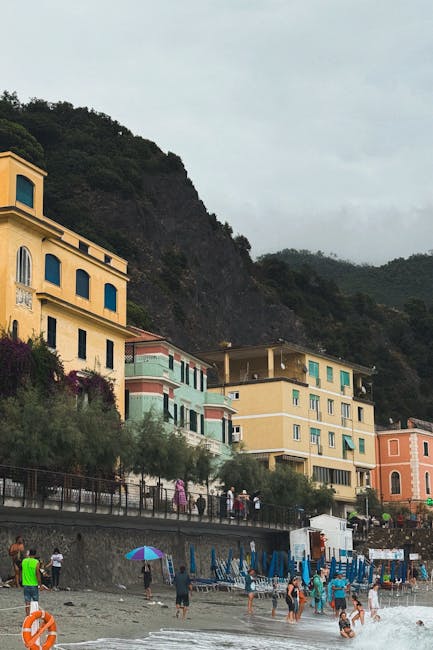
Preparing the shoot: gear, timing and safety for photographing children
Shooting kids requires a different kind of preparation than working with adults: think flexibility, speed and a lightweight kit. In the Cinque Terre this approach is even more critical because of narrow lanes and many stairs. Here are the essentials to pack and the recommended settings.
- Recommended gear: a lightweight mirrorless or DSLR body; a versatile 24–70mm zoom to cover environmental portraits and wider scenes; a fast 35mm prime (f/1.8 or f/1.4) for environmental portraits; and a short telephoto 70–200mm to isolate expressions from a distance. A small travel tripod can help for group portraits late in the day. Don’t forget spare SD cards and extra batteries.
- Bag and protection: a compact, water-resistant camera backpack (or rain cover) is a must: some alleys are damp and sea salt is corrosive. Bring a protective cover for the camera during beach breaks and sandy play.
- Basic settings: outdoors, shoot in aperture-priority (Av/A) to separate the subject with shallow depth of field (around f/2.8–f/5.6 depending on the lens). For moving kids, aim for at least 1/250s to freeze running. Use continuous AF (AF-C) and a multi-zone tracking mode to follow motion.
- Timing: the best windows are early morning (sunrise until about 9:30am) and late afternoon (roughly 90–120 minutes before sunset). The light is soft, the house colors stay saturated without harsh shadows, and crowds are thinner. In high season, avoid 11am–4pm when light is harsh and villages are busiest.
- Safety: always keep an eye on children near railings and steps. When shooting on cliff edges, choose angles that show the sea in the background while keeping the kids at a safe distance from the drop. Ask permission before photographing other families, and explain safety limits to children in a playful way.
Also consider props that make the session easier: hats, colorful balloons, toy cars, inflatable toys or buckets and spades at the beach. These items add movement and points of interest for kids while keeping the session natural and less staged. Most importantly, stay flexible: the best shots often come from an impromptu game or an unexpected giggle.
Iconic spots for photographing kids (by village)
Each Cinque Terre village offers different backdrops — beach and promenade in Monterosso, a picture-postcard harbor in Vernazza, charming alleys in Corniglia, panoramic terraces in Manarola, and a lively marina in Riomaggiore. Here’s a village-by-village guide with precise addresses, opening times, possible fees and tips to make the most of each spot.
Monterosso al Mare — beach, old town and church
Monterosso is the only Cinque Terre town with an accessible sandy beach and a larger old town — perfect for families. Main beach address: Lungomare Vittorio Veneto, 19016 Monterosso al Mare. Public and private beach areas (bagni) are usually open from May to September; private umbrellas cost roughly €15–€30 per day depending on location. Early morning provides nearly empty beaches, ideal for dynamic portraits by the water.
Photo highlights not to miss:
- Lungomare Vittorio Veneto — the promenade, beach clubs and changing cabins. Great for sunrise portraits by the sea.
- Chiesa di San Giovanni Battista — located at Piazza San Giovanni, 19016 Monterosso al Mare. Approximate opening hours: 09:00–18:00 (seasonal changes possible). Free entry; the church offers medieval architecture as a backdrop for more classic portraits.
- Old Town alleys (Via Roma, Via Fegina) — narrow lanes and stairways where children can safely run under your watchful eye.
Practical tips: arrive by train at Monterosso station (Piazza della Stazione, 19016 Monterosso al Mare) to avoid limited parking. Trains run regularly; the Cinque Terre Card (hiking) can be useful if you plan to walk between villages (indicative price: €7.50–€16 depending on type and season). Pack a towel, water and hats for the kids — sand and salt can quickly cover your gear if you’re not careful.
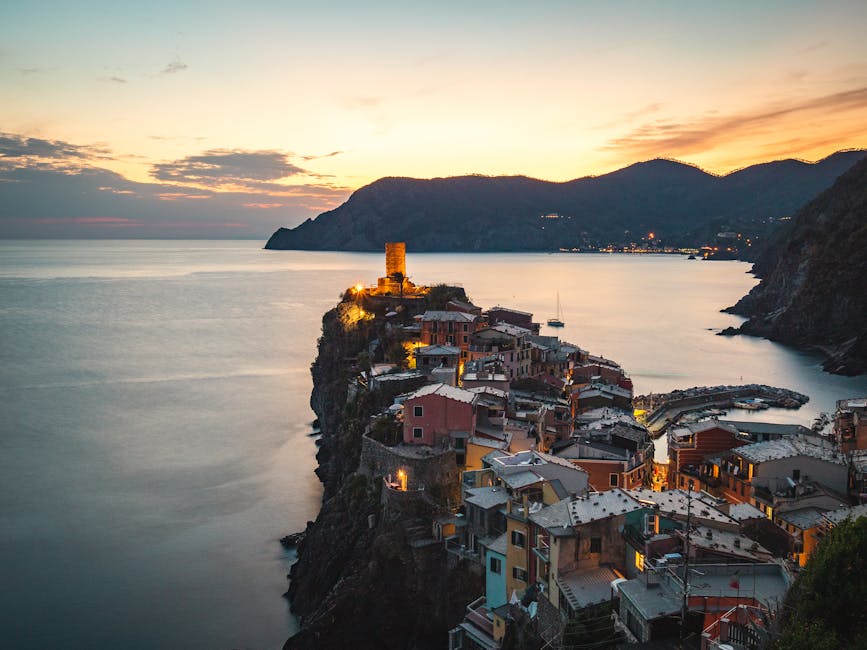
Vernazza — the harbor and Castello Doria
Vernazza, often pictured as the quintessential Cinque Terre postcard, is a village where vivid colors reflect in the harbor’s water. Main harbor address: Piazza Marconi, 19018 Vernazza. Castello Doria offers a spectacular panorama from the north hill: Castello Doria, Via Guidoni, 19018 Vernazza. Opening times are roughly 09:00–19:00 (May–September); the exterior areas are usually free to access, though guided visits to the castle may sometimes be charged (indicative fees €3–€5 for certain tours).
Photo spots:
- Piazza Marconi — the small harbor with colorful boats and café terraces. Perfect for kids watching boats or enjoying an ice cream. Best light: late afternoon at sunset for warm tones on the façades.
- Castello Doria — a moderate climb with stairs; excellent viewpoint for photographing children against the sea and cliffs. Watch out for unprotected areas: keep kids close.
- Ferry stop and harbor walls — the harbor walls make natural seating for relaxed portraits.
Practical tips: Vernazza station is on Via Roma, 19018 Vernazza; access from the platform often requires climbing stairs. Check seasonal ferry schedules (May–October) that link Monterosso, Vernazza and Riomaggiore — ferry rides can be a restful option for tired children. In high season, aim for late afternoon to avoid cruise crowds.
Corniglia — peaceful alleys and viewpoints
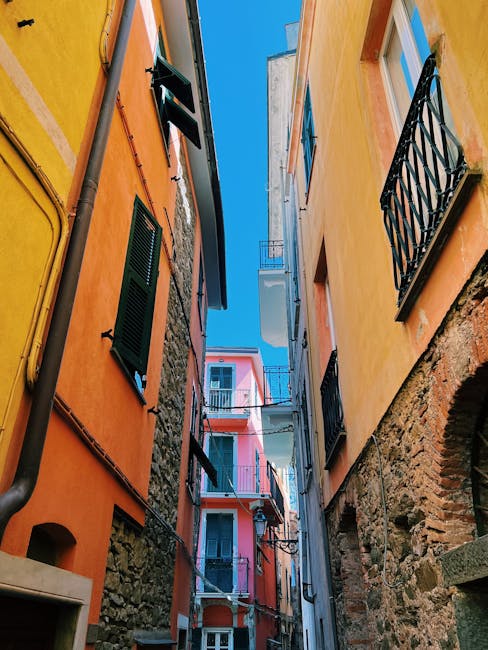
Corniglia is the smallest and highest of the five, sitting about 100 meters above sea level. Central address: Piazza Salvo D’Acquisto, 19016 Corniglia. The main access from the train station is a 382-step staircase or a short drive; the village’s tranquility makes it ideal for calm, intimate photo sessions.
Photo spots:
- Piazza Santa Maria (Chiesa di Santa Maria Assunta) — the main church at Piazza Santa Maria, 19016 Corniglia. Approximate opening hours: 10:00–18:00 depending on season. The church steps and nearby alleys offer graphic compositions perfect for portraits.
- Belvedere di Corniglia — viewpoints overlooking the sea, great for photos of kids gazing at the horizon. Low walls double as natural seats.
- Medieval alleyways — small shops, stone walls and stairs; ideal for capturing kids playing amid the colorful houses.
Practical tips: Corniglia is less stroller-friendly; bring a baby carrier if you have a very young child. Terrace dining is usually quieter and café prices are reasonable; expect shorter opening hours off-season. The village’s calm atmosphere makes it easier to interact with locals, which can add authentic everyday moments to your shots.
Manarola and Riomaggiore — viewpoints, vineyards and marinas
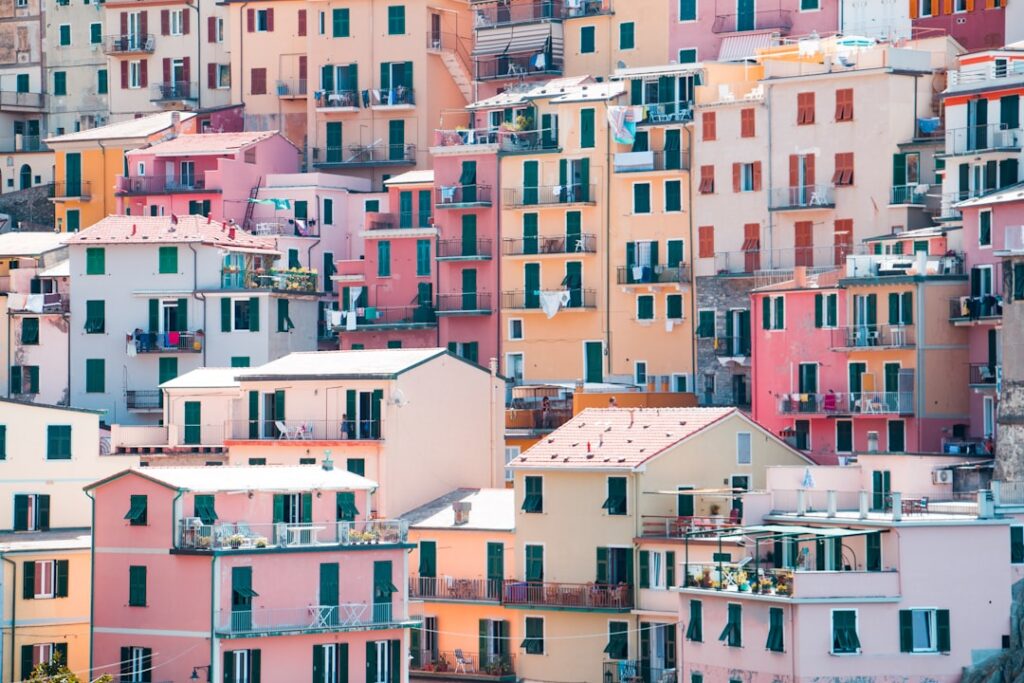
Manarola and Riomaggiore offer some of the most iconic views in the Cinque Terre, the very images you often see on postcards. Useful address for Manarola: Via Discovolo, 19017 Manarola. The town’s main viewpoint (Punto Panoramico) is reachable by short trails and alleys — perfect at sunset. Riomaggiore’s harbor address: Marina di Riomaggiore, Via Colombo, 19017 Riomaggiore.
Manarola photo spots:
- Via San Giovanni and Manarola’s viewpoint — great for silhouetting kids against the pastel houses at dusk.
- Vineyard terraces above the village — capture bucolic scenes of children running along stone walls (respect private property and observe access limits).
Riomaggiore photo spots:
- Marina di Riomaggiore — small boats, local fishermen and maritime life; ideal for candid portraits of children watching the waves.
- Via dell’Amore (Love Walk) — the coastal path linking Riomaggiore and Manarola, sometimes closed for maintenance (check conditions before you go). If open, it’s a mostly flat route perfect for families with young children.
Practical tips: Manarola station is on SP51, Via Discovolo; Riomaggiore is accessible via Riomaggiore station, Piazza O. G., 19017. Ferries often connect these villages in season, providing a relaxing alternative to trains. Wear closed shoes for dirt trails and carry a small first-aid kit: blisters and scrapes are common after a day of exploring.
Shooting techniques and compositions suited to children
Kids move, interact, laugh and get bored fast — adapt your photography to that rhythm. Here are concrete tips to improve your outdoor practice and to take advantage of the Cinque Terre backdrops.
- Mind the eye level: get down to the child’s eye level to create engaging portraits. A lower angle magnifies scale and gives weight to their gaze.
- Use depth of field: at f/2.8–f/4 you can isolate the subject while keeping a recognizable context (pastel houses, sea). For group shots, stop down to f/5.6–f/8 so everyone’s face is sharp.
- Freeze motion: use burst mode to capture unpredictable actions — running, jumping, hugs. Shutter speeds of 1/500–1/1000s work well for fast play.
- Frame with natural elements: doors, arches and stairs create frames within the frame. Ask kids to sit on a wall or walk through an arch for dynamic compositions.
- Soft street-style portraits: avoid overly formal poses. Let kids explore and engage them with a little story — you’ll get more natural expressions. A fast prime (35mm or 50mm) helps you stay discreet and quick.
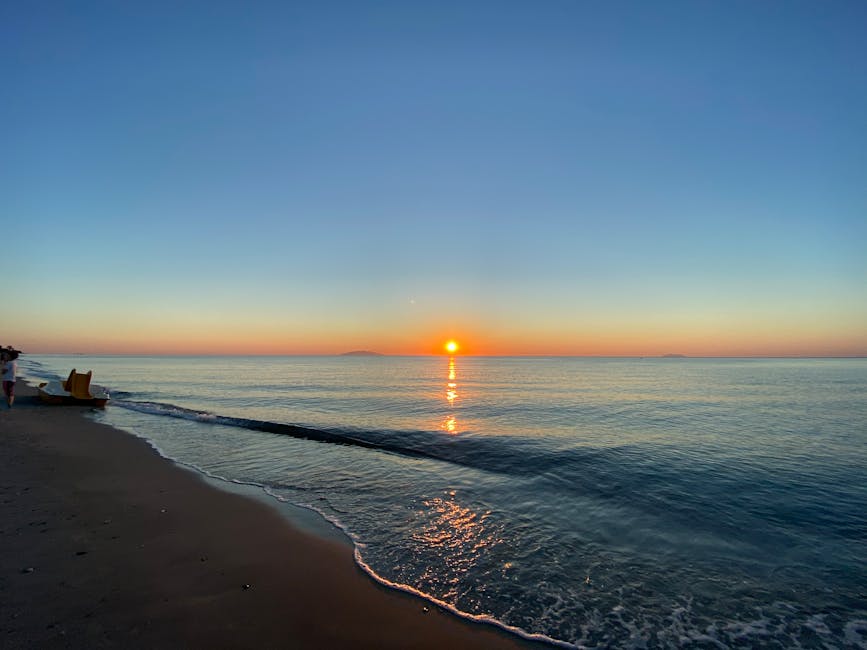
- Exploit the golden hour: late-afternoon portraits give beautiful warm light that flatters skin and house colors. If possible, position the sun behind the child for a rim-light effect and use a natural reflector — a bright pavement or white wall usually does the job.
- Include local details: boats, fishing nets, stone walls, flowered balconies and wooden signs are great contextual elements. They help place your portraits firmly in the Cinque Terre and tell a richer story.
For post-production, gently recover highlights and boost vibrance to make the houses’ colors pop without oversaturating skin tones. A light crop to 3:2 or 4:5 can improve composition for prints or social posts. But don’t overdo it: the power of Cinque Terre images lies in their authenticity.
Local practical tips: transport, costs, opening times and rules
To photograph effectively with children you need to understand local logistics: transport, opening hours, costs and safety rules. Here’s a practical guide with prices in euros and approximate times to help you plan.
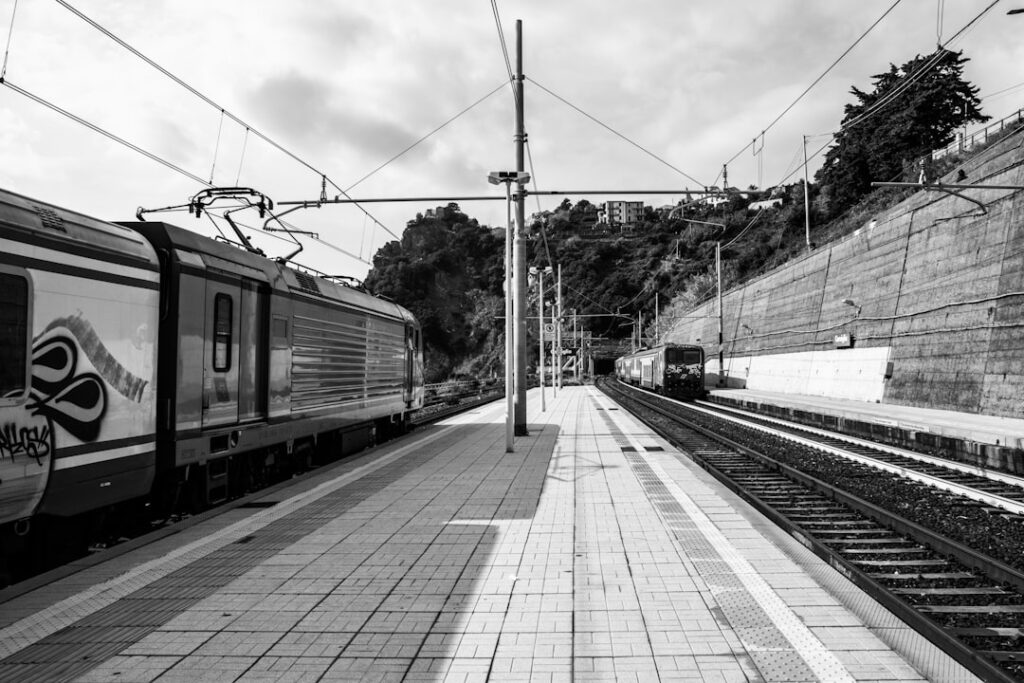
- Main transport — train: regional trains (Trenitalia) serve Monterosso al Mare (Piazza della Stazione, 19016 Monterosso al Mare), Vernazza (Via Roma, 19018 Vernazza), Corniglia (Piazza Salvo D’Acquisto, 19016 Corniglia), Manarola (Via Discovolo, 19017 Manarola) and Riomaggiore (Piazza O. G., 19017 Riomaggiore). A single regional ticket between two villages usually costs around €1.80–€4.00 depending on distance. In high season, favor the earliest trains to avoid the crowds.
- Cinque Terre Card: the pass includes access to trails and sometimes unlimited train travel on the local line depending on the formula. Indicative prices: about €7.50 for a day’s trail access and up to €16 for a combined card (prices vary by season and type). Check local ticket offices or the official Cinque Terre National Park site for current rates.
- Ferries: in season (May–October), ferries link Monterosso, Vernazza, Corniglia (limited stop), Manarola and Riomaggiore. Fares vary: short trips cost roughly €4–€10 per person; family discounts for children may apply. Ferries give unique photo perspectives from the sea.
- Shops and restaurant hours: most cafés and restaurants open around 09:00–10:00 for breakfast, lunch runs from about 12:00 to 14:30 and dinner typically begins at 19:00. Tourist shops usually close between 18:00 and 20:00 off-season. Check museum and monument hours before you go — many close in the low season.
- Extra costs to budget for: beach umbrellas (€15–€30), boat or kayak rentals (from about €30/hour depending on season), snacks, gelato (€2–€4) and souvenirs. Carry some cash: small shops sometimes accept cash only.
- Regulations and park protection: respect the signs of the Cinque Terre National Park, don’t enter private property, and avoid leaving litter. Some trails may be closed for safety (landslides, maintenance) — check trail boards or the park information center before you set off.
Final tip: plan a child-friendly day balancing walking and downtime: a gentle morning hike (for example Vernazza–Corniglia), lunch on a terrace, a nap or ferry ride in early afternoon, then a relaxed photo session on the beach or at a viewpoint late in the day. This way you maximize both family comfort and the quality of your images.
Conclusion: bring home real, lasting images
Photographing children in the Cinque Terre means capturing the heart of a family trip: wonder at the sea, curiosity in stone alleys, shared ice-cream moments, races on the beach and discoveries along the trails. To get strong images, combine technical preparation, respect for children’s rhythms and local knowledge: choose soft-light hours, prefer fast, discreet lenses and incorporate architectural and maritime elements that make these villages so charming.
The addresses and points of interest mentioned — Lungomare Vittorio Veneto in Monterosso al Mare, Piazza Marconi and Castello Doria in Vernazza, Piazza Santa Maria in Corniglia, Via Discovolo and the viewpoint in Manarola, Marina di Riomaggiore and Via dell’Amore (if accessible) — are concrete anchors to plan your sessions. Factor in opening times and costs: parking and beach services, train tickets, the Cinque Terre Card and ferries can all affect your itinerary and budget. Anticipate these details so you won’t be surprised and, most importantly, so you preserve the experience for your children.
Aesthetically, aim for simplicity: a single expression, a gesture, or an interaction with the setting often beats an over-produced pose. Vary your shots — close-ups on faces, wide shots to show the setting, action photos to capture energy — and embrace the unexpected as your main source of emotion. Always respect residents and locations: ask before photographing other families, avoid blocking access or local activity, and leave places as you found them.
When you leave, you won’t just have photos, but intimate records of a family moment in a remarkable place. The Cinque Terre, with their colors, textures and maritime perspectives, provide the perfect stage to create enduring, touching images. Enjoy your shoot, and may your photos tell the simple joy and adventure of your children in the heart of the Mediterranean.