





Introduction: Why go on a traditional fishing trip in Cinque Terre?
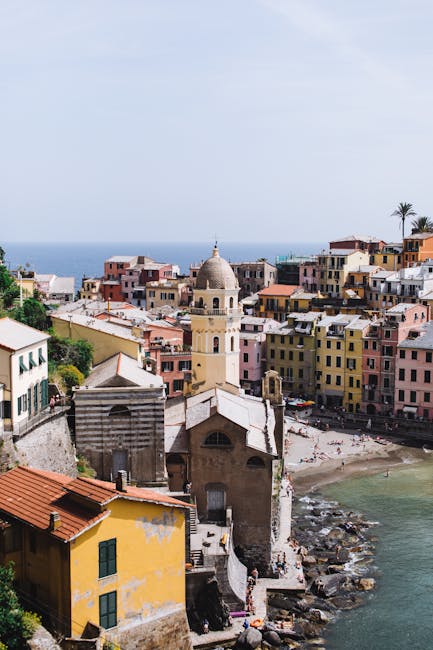
The Cinque Terre – Monterosso al Mare, Vernazza, Corniglia, Manarola and Riomaggiore – are often described as living paintings: brightly colored houses clinging to steep terraces, trails that skirt crystal-clear coves and vineyards tumbling down to the sea. Beyond the hikes and iconic viewpoints, there’s one experience that truly reveals the local soul: a traditional fishing trip. Heading out with a local fisherman, hauling nets, learning to identify Mediterranean species and sharing a meal on board is a way to enter a world where time follows the rhythm of tides and seasons.
A traditional fishing trip in Cinque Terre isn’t just a tourist activity: it’s an immersion into skills passed down through generations. Techniques – small handlines, crustacean pots, light nets or lamp fishing for night species – are adapted to narrow, sheltered coasts. In harbors like Porto di Monterosso al Mare or the little port of Riomaggiore, the boats used are often gozzi (small wooden or fiberglass boats), nimble and close to the water, allowing landings near coves that are otherwise inaccessible from shore.
Beyond the technical side, a fishing trip reveals locals’ deep connection to the Mediterranean: how catches are preserved, which traditional recipes (like zuppa di pesce or the local anchovy preparations) accompany a workday, and the rituals around species conservation and protected marine zones. For visitors, it’s a unique opportunity to see the Cinque Terre from the sea – the cliffs, the Via dell’Amore (between Riomaggiore and Manarola when it’s open), and the human-made vineyard terraces – and to hear local stories, pick up a few Ligurian words and adopt a more sustainable view of travel.
This article is a complete guide to organizing a traditional fishing trip: where to go, which contacts to use to book, typical times and prices, a sample itinerary of the outing, regulations to be aware of (protected zones in the Parco Nazionale delle Cinque Terre), and practical tips for an authentic, respectful experience. Whether you’re an amateur angler, a curious foodie or a photographer after marine perspectives, this guide will help you plan and make the most of this unique adventure.
 Click here to book a trip on a traditional gozzo

Planning your trip: departure points, addresses and bookings
Traditional fishing trips typically depart from the village harbors or from nearby towns like La Spezia. Here are the most common meeting points, with addresses and practical booking information.
– Porto di Monterosso al Mare — Via Roma 46, 19016 Monterosso al Mare (SP): Monterosso has the largest harbor in the Cinque Terre, convenient for boats and well connected by train. Many small local operators run morning or late-afternoon trips. Local contacts are often found near the Lungomare and the small fish market at the harbor entrance.
– Porto di Vernazza — Piazza Marconi, 19018 Vernazza (SP): Vernazza has a picturesque harbor lined with colorful houses and a small quay where gozzi tie up. Departures here are more intimate, ideal for small groups (4–8 people). Meet at the main landing near the church of Santa Margherita d’Antiochia to board.
– Porto di Riomaggiore — Via Colombo 30, 19017 Riomaggiore (SP): Riomaggiore’s little harbor offers great access to rocky coves and coastal fishing spots. Early morning departures often yield the best catches.
– La Spezia — Molo Garibaldi, 19121 La Spezia: for longer trips or private charters, many professional fishermen based in La Spezia offer full-day or half-day excursions to the Cinque Terre. These are well suited to larger groups.
Booking: most trips accept reservations by phone or email (contacts and numbers are listed at local tourist offices). Expect to book 24–48 hours in advance during high season. Prices vary by duration and options (fishing + lunch, fishing only, photography trip): indicative rates range from €60 to €140 per person for a half-day (morning or late afternoon); for a full day, expect €120–€220 per person. For a private boat (up to 6 people), prices typically run around €300–€600 per day.
Click here to book a boat excursion from La Spezia

Typical itinerary of a traditional fishing trip and techniques you’ll encounter
A typical trip usually lasts between 3 and 6 hours depending on the package. Here’s a classic hour-by-hour rundown and the traditional fishing methods you’re likely to see.
– Welcome and briefing (15–30 minutes): meet at the harbor, meet the crew, safety briefing, life jacket distribution. The captain explains the fishing plan according to the weather and permitted zones. Typical departure times: early mornings around 6:30–8:30 (best for catches) or late afternoons around 16:00–18:00 for dusk fishing.
– Transit to the spot (15–45 minutes): cruise along the coast with commentary on the coves (e.g. Punta Mesco visible from Monterosso or Vernazza Bay), local geology and sustainable fishing practices. It’s a perfect time for panoramic photos.
– Active fishing (1.5–3 hours): depending on the season and type of trip, you’ll take part in:
- Rod fishing (pêche à la ligne): natural bait or small strips of fish targeting sea bream, mackerel and gilt-head bream; great for beginners.
- Crab and lobster pots (nasse et casier): techniques used to catch crabs and lobster by feeling the rocky seabed or seagrass beds.
- Light drifting nets (petit filet dérivant): manually hauled nets for pelagic species; used sparingly to comply with park regulations.
- Lamp fishing (pêche à la lampe): for dusk or night trips, soft lighting attracts cephalopods like cuttlefish.
– Sorting and preservation (30–45 minutes): sorting the catch, explanations about protected species and minimum sizes, on-board preservation methods (coolers, salt) and the Parco Nazionale delle Cinque Terre regulations. Local fishers will also show how to gut and clean fish for cooking.
– Lunch or tasting on board (depending on option) (30–90 minutes): several trips include an on-board simple meal: anchovy bruschetta, zuppa di pesce (fish soup), octopus salad or grilled fish, served with local focaccia and a glass of Sciacchetrà or a Ligurian white wine. The fishing + meal option typically adds €15–€40 per person.
– Return and sharing (15–30 minutes): back at the harbor, a convivial moment to chat about techniques, take photos and, if you wish, buy extra catches to take home. Fishers may offer products like smoked anchovies or fresh fish at market prices: €10–€25 per kilo depending on species.
Click here to book a boat trip with skipper and focaccia
Regulations, best practices and protecting the Parco Nazionale delle Cinque Terre
The Cinque Terre are protected within the Parco Nazionale delle Cinque Terre and a marine protected area. Respecting local rules is vital to preserve resources and to enjoy a responsible experience.
– Parco Nazionale delle Cinque Terre — Headquarters: Via San Lorenzo 1, 19016 Monterosso al Mare. Visitor Center hours (seasonal): in high season usually 09:00–19:00; in low season 09:00–17:00. Check with the information office for up-to-date opening times. The park provides maps (Cinque Terre Card Trekking) and information on trails and marine zones.
– Forbidden and permitted zones: some coastal areas are strictly protected and fishing is limited or prohibited. licensed professional fishers know the boundaries and ensure they fish only outside forbidden zones. As a passenger, follow the captain’s instructions carefully.
– Minimum sizes and protected species: catches must respect minimum sizes to allow reproduction. Endemic or vulnerable species, like certain grouper, are monitored. Accidental catches should be carefully released.
– Sorting and waste management: on board, organic waste is separated and plastics are brought back to port for recycling. Never throw packaging or objects into the sea. Local fishers often promote zero-plastic practices to preserve water quality.
– Permits and responsibility: a recreational fishing permit may be required for shore fishing or certain amateur techniques depending on duration. Guided trips normally include the authorization needed for fishing on board. Confirm this when booking.
Click here to explore sea caves and natural pools by boat
Local practical tips: gear, seasons and safety
To get the most from your traditional fishing trip, keep a few practical points in mind before you go: gear to bring, best times of year and safety recommendations.
– Gear to bring: non-slip shoes (decks can be wet), a waterproof windbreaker, hat and sun protection, polarized sunglasses (to see the surface better and reduce glare), a small dry bag for your phone and documents. If you plan to take fish home, bring a cooler or ask the guide if they can store your catch.
– Best seasons: spring (April–June) and autumn (September–October) offer ideal weather, fewer crowds and good catches. Summer (July–August) is very busy; the sea can be calmer but trips are often scheduled very early to avoid the heat. Winter offers limited trips, though some fishers still go out weather permitting for specific catches.
– Safety at sea: always follow crew instructions; in rough seas a trip may be postponed or canceled. Life jackets are mandatory and should be worn. Inform the organizer of any medical conditions.
– Photography and respect for locals: morning and evening light is ideal for photographing the villages from the sea. Respect residents’ privacy along the shoreline; avoid disturbing landing areas and natural pools.
Click here to book a guided kayak tour Monterosso-Vernazza

Useful addresses and opening times to continue the experience on land
After your fishing trip you may want to continue the culinary or cultural immersion on land. Here are some addresses and practical details to round out your day.
– Ristorante Miky — Via Fegina 188, 19016 Monterosso al Mare. Hours: generally open 12:30–15:00 and 19:00–22:30. Specialties: fresh seafood and traditional Ligurian dishes. Price range: fish dishes €18–€35.
– Il Porticciolo Café and Fish Shop — Piazza Marconi, 19018 Vernazza. Hours: 09:00–23:00 in high season. Ideal for buying smoked or marinated fish prepared in local recipes.
– Trattoria dal Billy — Via Renato Birolli 122, 19017 Manarola (Riomaggiore). Hours: often 12:00–14:30 and 19:00–22:30 (reservations recommended). Typical dishes: spaghetti alle vongole, grilled fish; prices €14–€30 per dish.
– Local fish market (Mercato Ittico): in each village there are stalls where fishermen sell the day’s catch depending on availability. Market prices: €10–€25 per kilo depending on the species.
– Cinque Terre Tourist Office — Piazza San Giovanni, 19016 Monterosso al Mare (locations vary by village). Summer hours: 09:00–19:00; check off-season times. You’ll find brochures, trail maps and contacts for licensed fishers here.
Click here to taste local wine and tour the vineyards
Click here to book a gnocchi and pesto cooking class

Conclusion: an essential and respectful marine experience
Taking part in a traditional fishing trip in the Cinque Terre is much more than another item on your to-do list: it’s a meeting, a lesson and a commitment. At sea you’ll discover the villages’ hidden geography, the biological richness of the Ligurian Sea and the culture of people closely tied to the water. The way fishermen look at their nets and ropes, and the simplicity of a shared meal on board, says far more than any tourist brochure.
To make the most of your excursion, plan ahead: book early, choose the right season, follow safety instructions and favor operators who practice sustainable fishing. Respect the Parco Nazionale delle Cinque Terre rules, honor protected zones and refuse any practice that could harm marine habitats. If you want to extend the experience, seek out local spots to taste the catch, visit tourist offices (head to the Parco Nazionale delle Cinque Terre in Monterosso for information) and support the small skippers who keep these traditions alive.
Finally, remember the essential point: the Cinque Terre sea is fragile and precious. A respectful traditional fishing trip enriches your travel and helps preserve a unique cultural and natural heritage. Bring back authentic memories – not corals or protected species, but photos, recipes and stories told by those who live from the sea. That way, your visit will be beautiful for you and sustainable for future generations.