





Introduction: Discovering the Organic, Sustainable Vineyards of the Cinque Terre
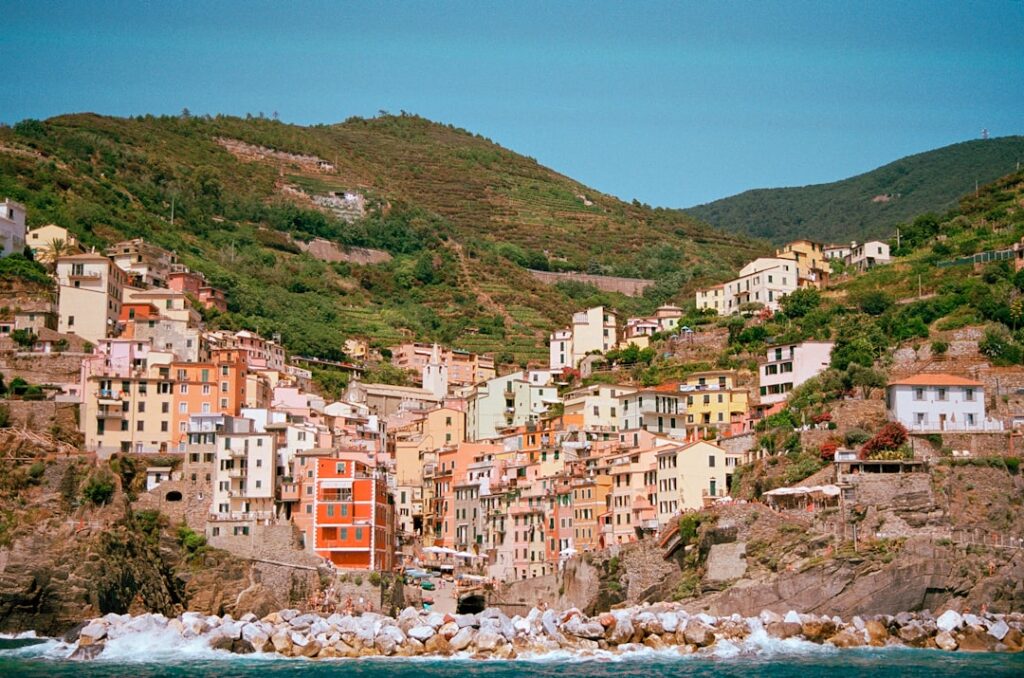
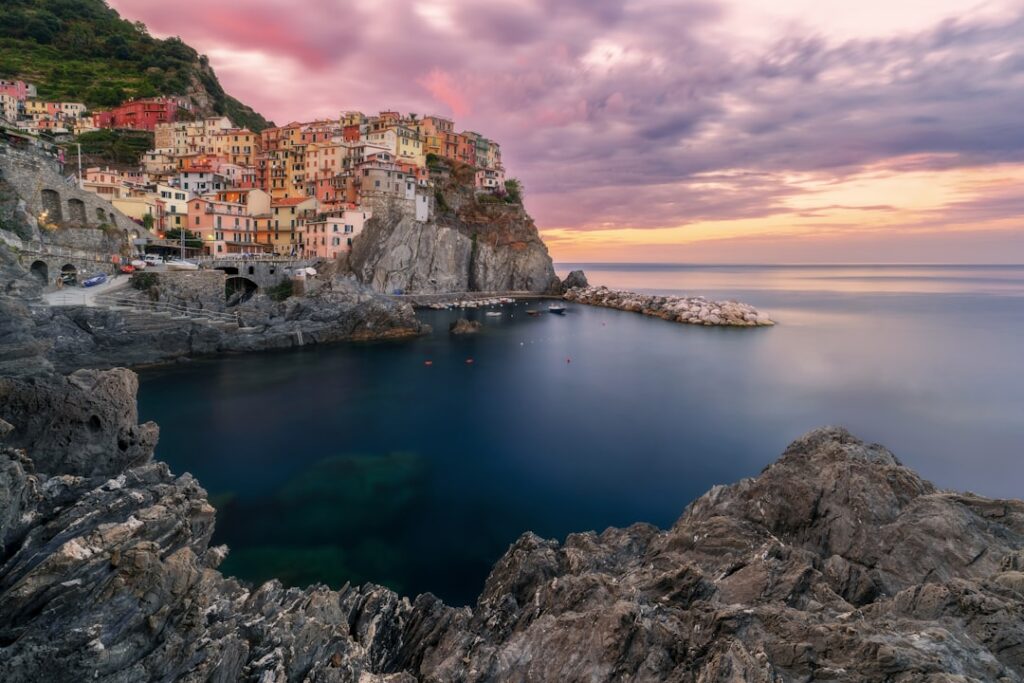
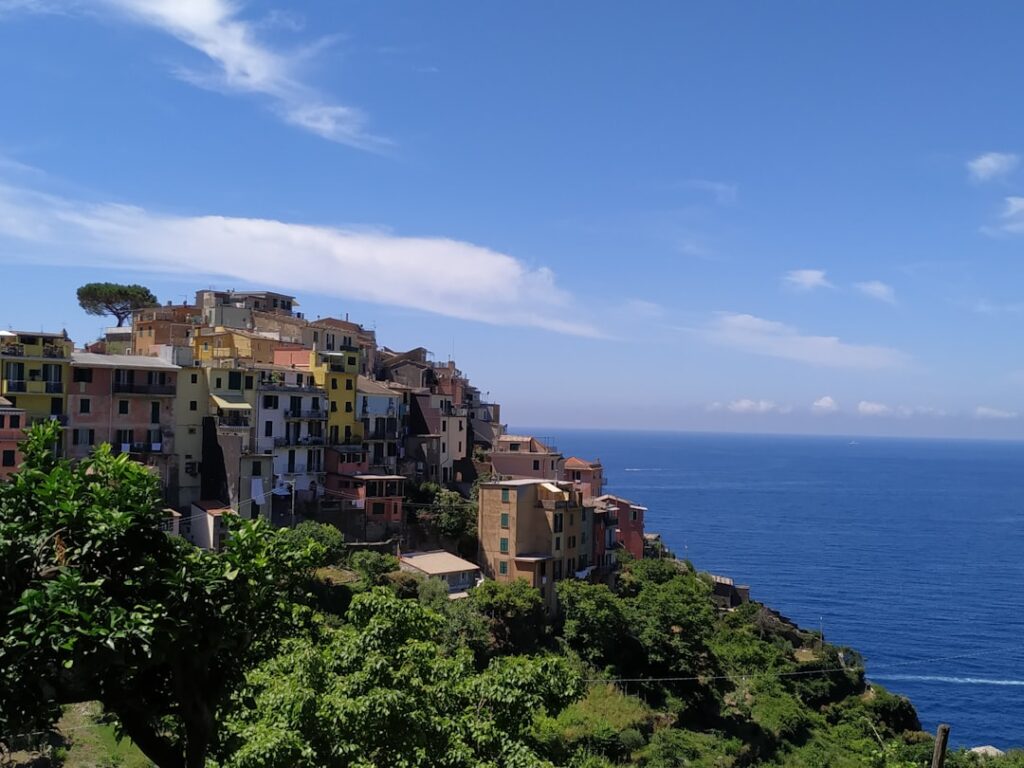
The Cinque Terre — that narrow ribbon of steep coastline clinging to Liguria between Levanto and La Spezia — is famous for the colorful houses of Monterosso al Mare, Vernazza, Corniglia, Manarola and Riomaggiore, its dry-stone terraces and the iconic Sentiero Azzurro. But beyond the views and the trails, this tiny terroir hides an age-old winemaking culture where vines literally cling to cliffs. Traditional practices, now being revived by committed producers, give rise to organic and sustainable wines: Vermentino, Bosco, Albarola and the famed sweet Sciacchetrà. Touring these vineyards means stepping into a world where the vine talks to the sea, manual labor takes priority, and every bottle tells the story of a carefully preserved landscape.
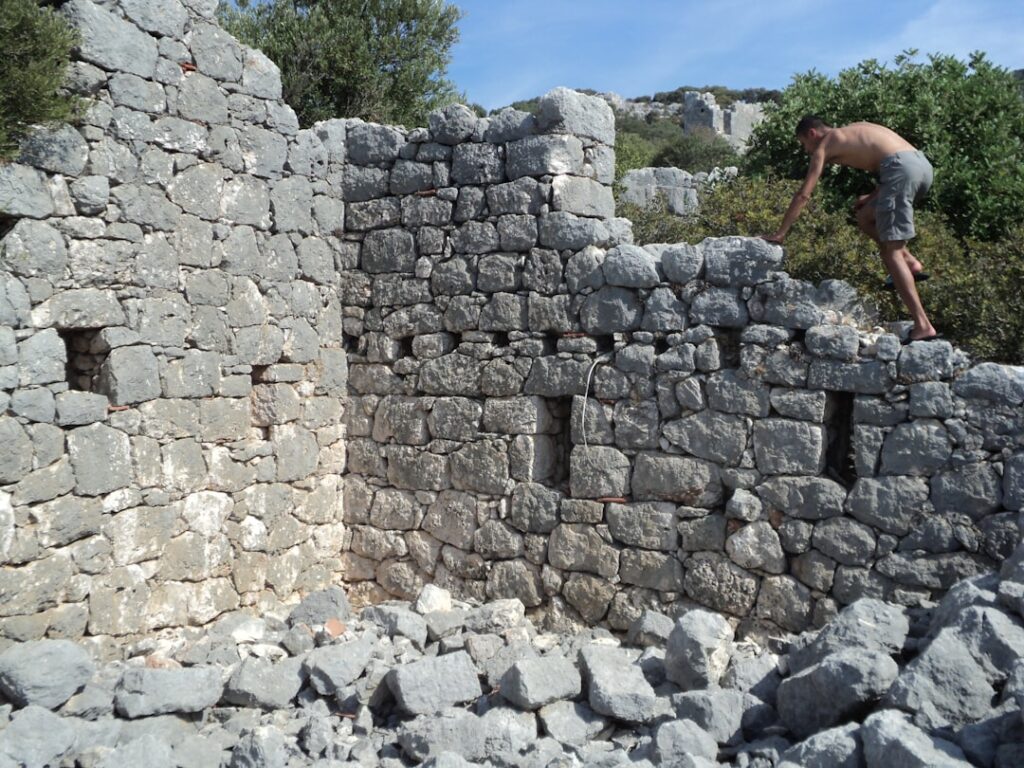
Opting for a tour focused on organic and sustainable practices also means supporting techniques that protect biodiversity, limit chemical inputs and maintain the dry-stone walls — those iconic « muretti a secco » that act as bulwarks against erosion. Local winemakers, often small family-run farms, practice agroecology, keep hedgerows and cover crops, use water responsibly and adopt renewable energy where possible, while favoring low yields for higher quality. Tours typically include a walk across the terraces, demonstrations of pruning and maintenance techniques, a look at traditional presses and stainless-steel or cement tanks, and, of course, a guided tasting of the wines paired with local products.
In this article I offer a practical, immersive guide to planning your organic and sustainable vineyard visits in the Cinque Terre: full addresses, opening hours, indicative prices, descriptions of the estates, tips for getting between villages and suggested food-and-wine pairings to try. Whether you’re a seasoned wine tourist, a curious hiker or a food lover, you’ll find concrete ideas to enjoy an authentic, territory-respecting, flavor-packed experience. Expect sea vistas, saline aromas mingled with the earthy scents of the vine, and human encounters that give every sip meaning.
Why Choose Organic and Sustainable Vineyards in the Cinque Terre
The reasons to favor organic and sustainable estates are environmental, cultural and gustatory. Environmentally, the terraced vineyards of the Cinque Terre are especially vulnerable: erosion, heavy rains and rural depopulation threaten land stability. Organic practices — cutting herbicides, using organic fertilizers, rotating crops and preserving biodiversity — help strengthen soil resilience and the muretti a secco. Sustainable initiatives often include repairing the walls, managing water with rain-harvesting systems, and using renewable energy (solar panels, small wind systems) to power wineries and cold rooms.
On the cultural side, supporting these producers helps maintain the human activity and traditional landscape that are the soul of the Cinque Terre. Many estates are micro family farms (1 to 5 hectares) where know-how is passed down through generations. Tours offer direct access to these family stories: you’ll meet growers who demonstrate guyot or cordone speronato pruning, show how they repair the dry-stone walls, and explain the hand-harvesting still practiced on steep slopes. The sustainable approach also promotes local varieties (Bosco, Albarola, Vermentino) and the production of typical wines like Sciacchetrà, a sweet wine made in tiny quantities from overripe and dried grapes.
Finally, from a tasting perspective, organic and sustainable wines often express a purer sense of terroir: cleaner aromas, pronounced freshness and natural balance. Low yields and respectful practices boost flavor concentration and produce aromatic profiles that reflect the sea’s proximity (iodine and saline notes), the mineral soils and the Mediterranean climate. Tastings in cellars teach you to recognize these traits, understand winemaking choices (stainless-steel fermentation, limited sulfur use, aging in cement or wood) and appreciate the range of styles found in this compact territory.
Main Estates and Cellars to Visit (addresses, hours, prices and descriptions)
Here’s a selection of organic/sustainable estates and cellars to prioritize during your stay. Hours and prices are indicative and may change by season; it’s best to call or book online before you go.
-
Azienda Agricola Cantina Sociale Cinque Terre
Address: Via Fegina 1, 19016 Monterosso al Mare SP, Italia
Opening hours: Monday to Saturday 09:30–13:00 and 15:00–18:30 (closed Sunday except for visits by reservation)
Price: Guided tasting €15 per person (3 wines); visit + tasting €25 (includes terrace and cellar tour)
Description: A small cooperative bringing together several local producers committed to certified organic practices. The visit starts on the terraces overlooking Fegina beach, moves into the modern cellar where parcel-by-parcel winemaking is explained, and ends with a tasting of Vermentino, Bosco and a half-bottle of Sciacchetrà. Perfect for understanding the local supply chain and tasting representative wines. Reservations recommended for groups.
-
Azienda Agricola Basile & Figli
Address: Via Roma 32, 19018 Vernazza SP, Italia
Opening hours: Daily 10:00–13:00 and 16:00–19:00; guided visits on request at 10:00 or 17:00
Price: Guided visit €20 (walk to the terraces + tasting with local bruschette); harvest workshop (seasonal) €35
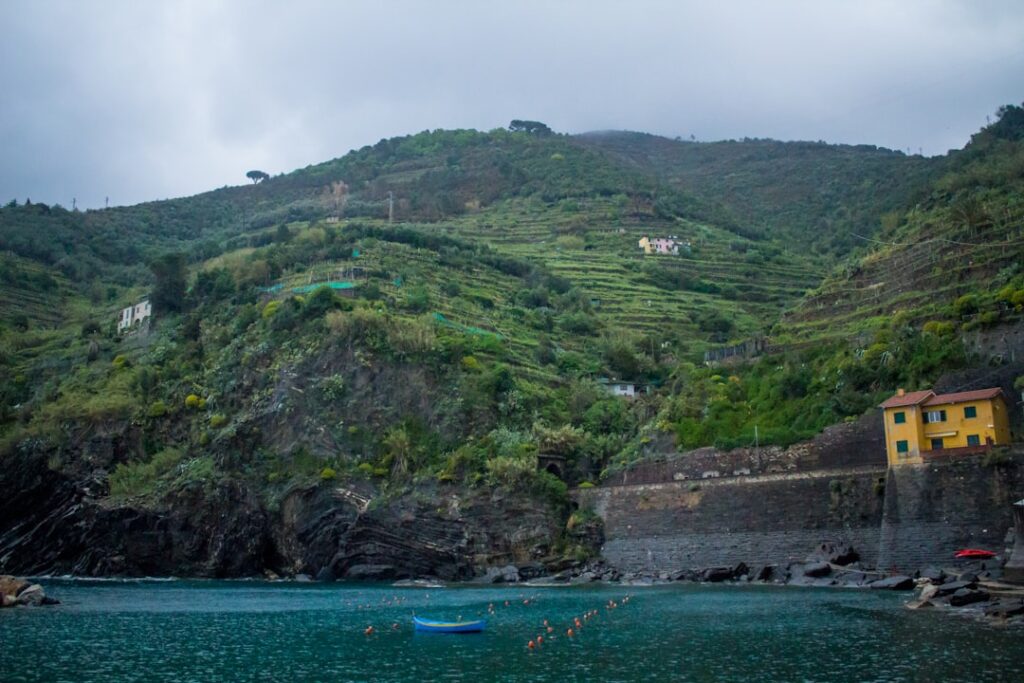
Description: A family-run farm with associated greenhouses and beehives, currently converting to organic. The Basile family offers walks among Vernazza’s vines, explanations about dry-stone walls and a tasting of limited-label wines. The view over Vernazza’s little harbor adds special charm to the tasting. Tip: pair the visit with lunch at a local restaurant afterward.
-
Tenuta La Scola
Address: Via San Martino 6, 19017 Manarola SP, Italia
Opening hours: Tuesday to Sunday 11:00–14:00 and 15:30–18:30 (closed Monday)
Price: €12 classic tasting (3 wines); €30 premium tasting (5 wines + local product plate)
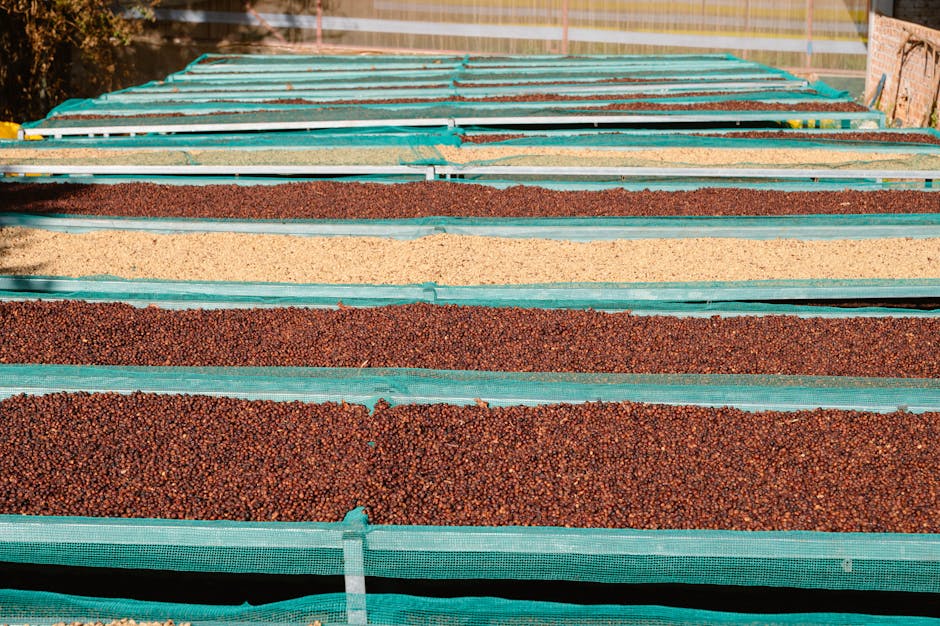
Description: Tenuta La Scola focuses on natural viticulture and minimal intervention winemaking. Tours include a guided walk along Manarola’s terraces, an explanation of the grape-drying process for Sciacchetrà, and a relaxed tasting on a panoramic terrace. The estate often works biodynamically to improve soil health and wine vitality.
-
Coltivatori di Corniglia
Address: Via XX Settembre 10, 19015 Corniglia SP, Italia
Opening hours: Visits by appointment; usual slots 09:30–12:30 and 15:00–18:00
Price: €18 visit + tasting; €40 oenology workshop (small group, 2h)
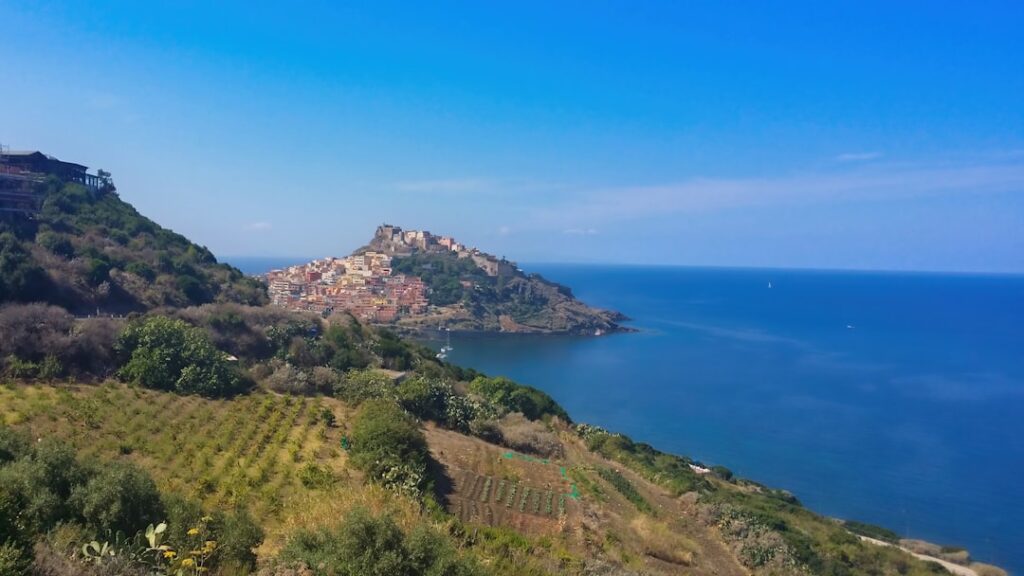
Description: Located in the quietest hamlet of the Cinque Terre, this growers’ collective highlights traditional practices and agroforestry. The tour crosses higher vineyards with sea views and includes a tasting paired with local bread and cheeses. The collective also offers pruning and dry-stone wall restoration courses.
Routes and Practical Tips for Planning Your Visits
Planning vineyard visits in the Cinque Terre takes some preparation since getting between villages is mainly on foot, by train or by boat. Here are sample routes and practical tips to maximize your wine-tour experience.
Half-day suggested route: Monterosso — morning visit at Azienda Agricola Cantina Sociale Cinque Terre (09:30), then take the train or the Sentiero Azzurro to Vernazza for lunch, followed by an afternoon visit at Azienda Agricola Basile & Figli (16:00). This itinerary mixes culture, sea and wine without changing base too often. Allow 3 to 4 hours for a visit + tasting; if you plan to visit two estates in one day, leave at least 2½ hours between appointments.
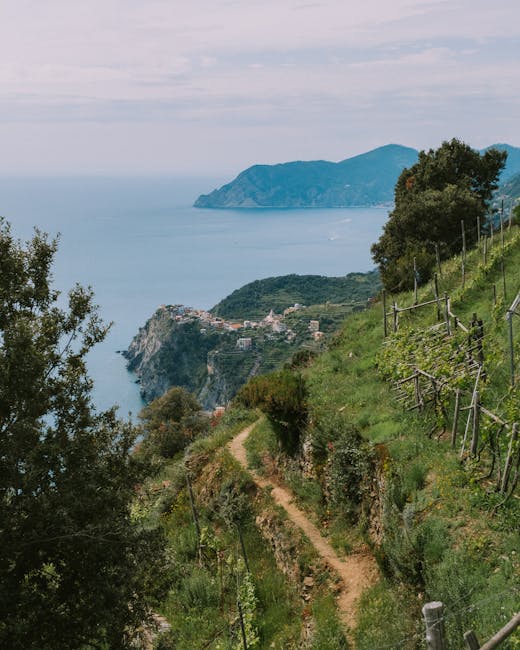
Full-day suggested route: Start in Riomaggiore in the morning (by boat or train) heading to Manarola, visit Tenuta La Scola (11:00), walk to Corniglia for a light lunch, visit Coltivatori di Corniglia (15:00) and return by train to your base. Hikers can include the trail between Manarola and Corniglia to admire the terraces and access isolated plots. Always check trail conditions: after heavy rains, some sections may be closed.
Practical tips: always book visits in advance, especially in high season (May–September). Estates are often small and accept limited groups (6–12 people). Wear sturdy shoes if you plan to climb the terraces; bring a hat, water and a windbreaker as the sea breeze can be strong. If you plan to buy bottles, know that many cellars accept cash only; bring some euros in cash. Also, respect the vines: don’t pick grapes without permission and stick to marked paths to preserve the dry-stone walls.
Responsible Tasting, Food Pairings and Souvenirs to Bring Home
Responsible tasting is an art: learn to taste without wasting and to bring home souvenirs that honor the local production chain. At a Cinque Terre tasting, start with dry whites (Vermentino, Bosco, Albarola) to sense the maritime freshness, then move on to more structured or aged cuvées and finish with a small pour of Sciacchetrà (a 3 cl glass is often enough). Winemakers emphasize origin: taste for saline impressions, minerality and the bright acidity typical of a coastal terroir.
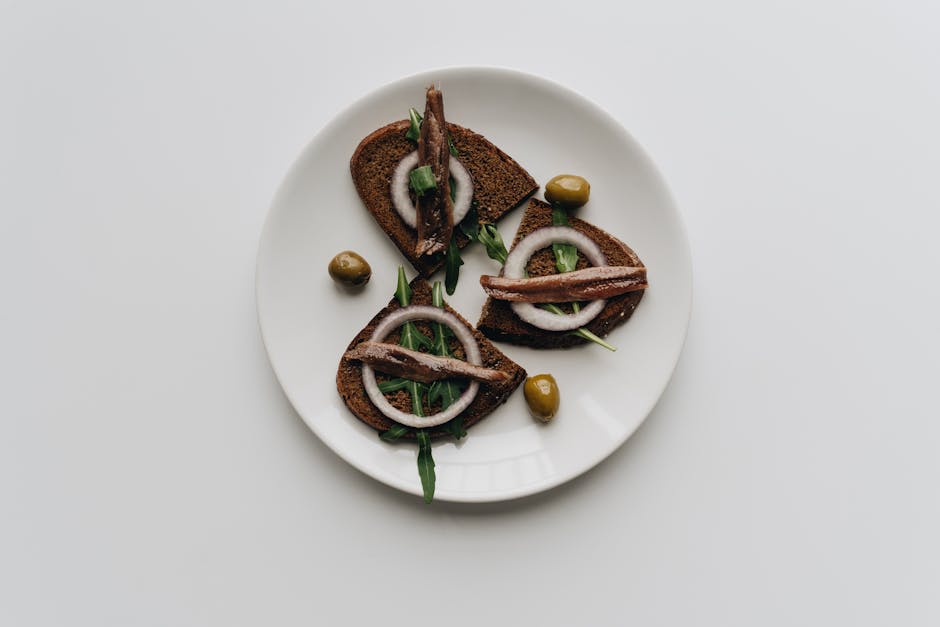
Suggested pairings: Vermentino with Monterosso anchovies, octopus salad and grilled vegetables; young Bosco with pesto alla genovese and trofie pasta; Albarola with fresh goat cheeses. Sciacchetrà, with honeyed notes, apricot and candied citrus peel, pairs beautifully with almond desserts, cantucci (almond biscuits) or aged cheeses. Estates often offer plates of local products: Recco focaccia, taggiasca olives, salted anchovies and regional cheeses — choose these pairings to support the local economy.
What to bring home? Prioritize small-batch bottles not exported outside the region, often available only at the cellar: Sciacchetrà in half-bottle (€25–45 depending on denomination and vintage), Vermentino or Bosco bottles (€10–22). Some estates also sell artisanal products: extra virgin olive oil (€10–18), vinegars, citrus jams or dried herbs. Ask for packaging suitable for train travel (cardboard boxes or tubes) or opt for postal shipping from the estate; many offer international shipping.
Conclusion: Between Sea, Stone and Vine — Visits That Matter
Visiting the organic and sustainable vineyards of the Cinque Terre is more than a tasting: it’s an immersion in a landscape shaped by people and the sea, an encounter with extreme terroirs and committed producers. Each estate tells a story of resilience — how to repair a wall, how to harvest by hand on a steep slope, how to vinify with minimal intervention to let the terroir speak. This sustainable tourism supports agricultural practices that preserve biodiversity, strengthen soil security and maintain landscapes that, without human care, would quickly be overtaken or threatened by erosion.
Practically speaking, plan visits outside peak times, book ahead and map out a logical route between sea and trails. Follow winemakers’ instructions, favor local purchases and minimize unnecessary transport by choosing bottles that mean something to you. If you want to go deeper, some estates offer seasonal workshops — harvests, pruning, wall restoration — that provide an educational and transformative experience. And above all, allow time to simply take it in: a tasting at sunset from a vineyard terrace, facing the sea, is an experience that crystallizes the spirit of the Cinque Terre.
In short, choosing organic and sustainable vineyard visits in the Cinque Terre blends pleasure, ethics and discovery. You’ll bring home bottles that tell a story and the certainty that you helped preserve a unique territory. Whether you’re a wine lover, a hiker or a curious traveler, these visits will enrich your trip and leave you with sensory and emotional memories rooted in respect for the landscape and the people who shape it.