





Introduction
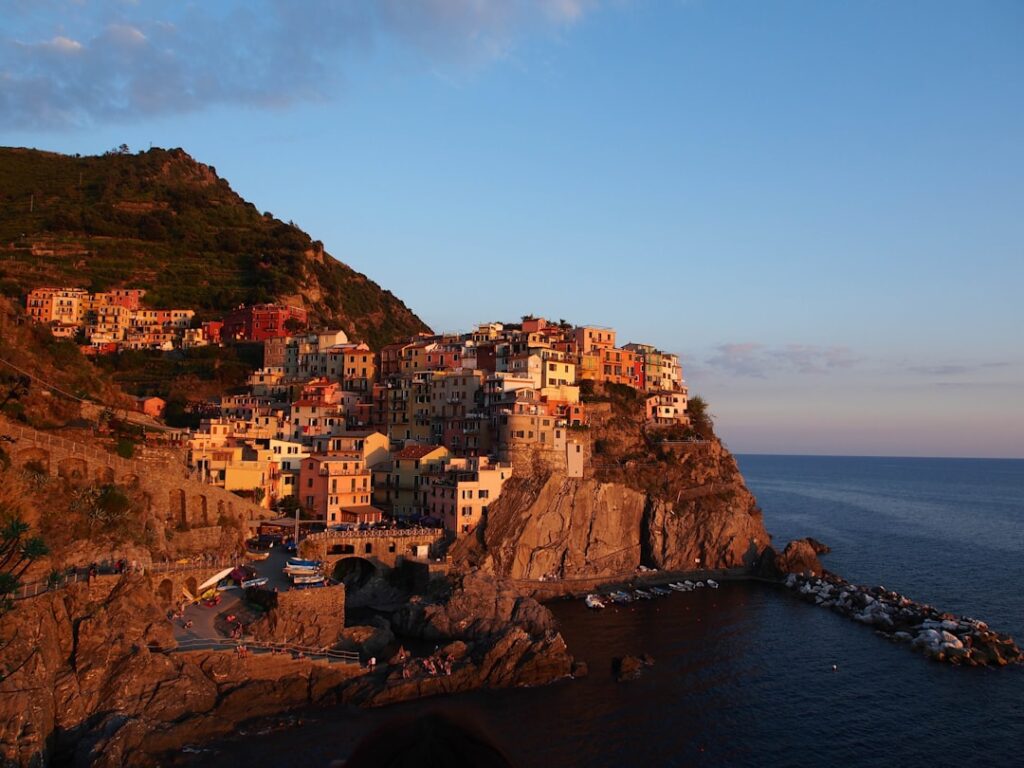
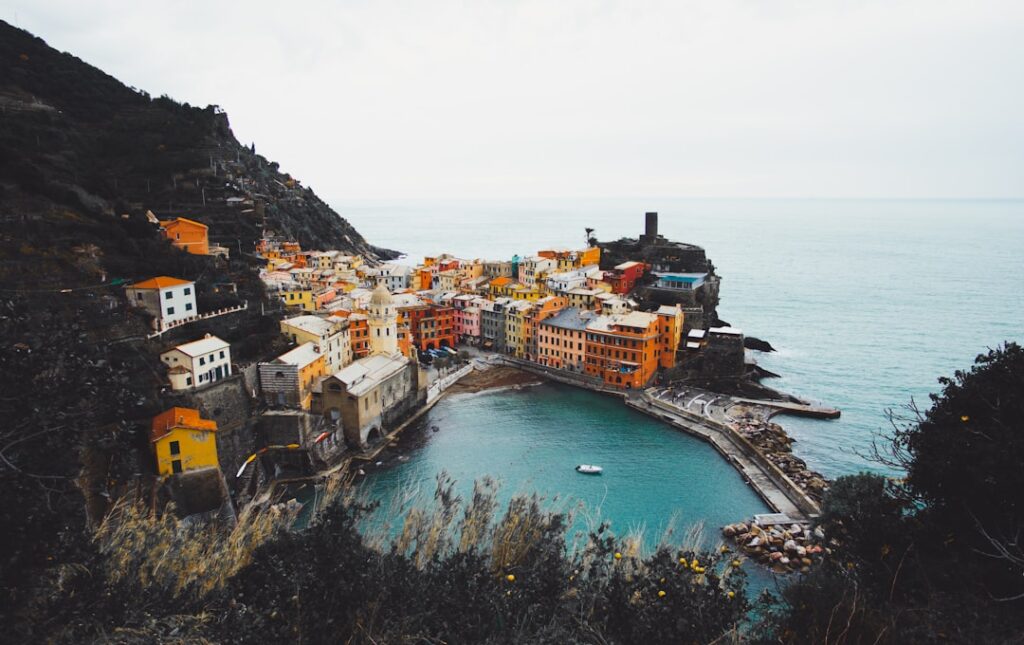
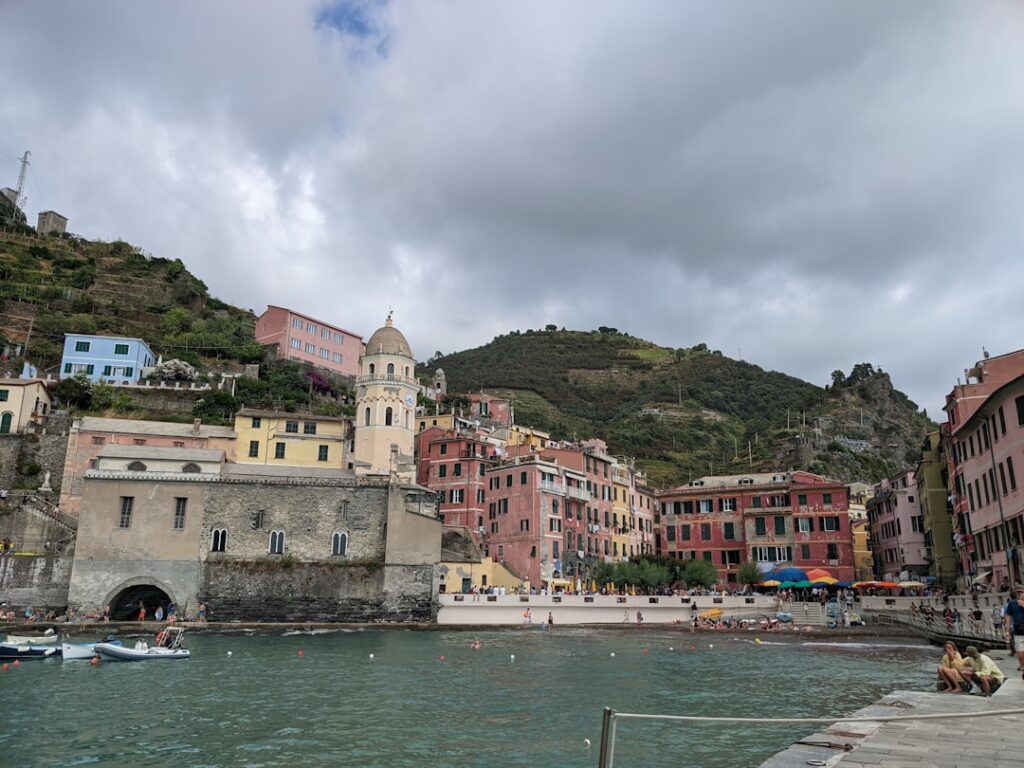
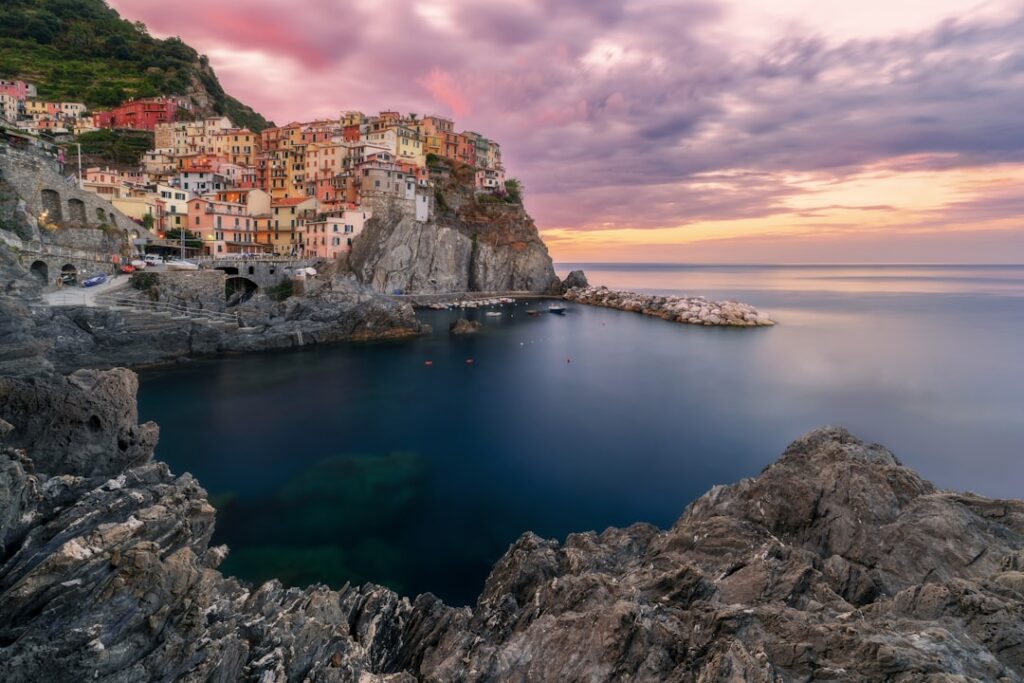
Hiking the steep trails of the Cinque Terre — linking Monterosso al Mare, Vernazza, Corniglia, Manarola and Riomaggiore — is an experience that mixes breathtaking sea views, colorful cliffside villages and the scents of Mediterranean scrub. That raw beauty, however, demands respect and preparation: narrow paths, stone or bare-earth sections, significant elevation changes and fickle weather mean you need the right kit and a basic knowledge of the area. This article is a practical, comprehensive guide to keeping yourself safe on the Cinque Terre trails, combining technical advice, useful addresses, opening times and costs, plus local recommendations you shouldn’t miss.
Whether you hike the famous Sentiero Azzurro (the Blue Trail) connecting the five villages, the panoramic route from Manarola up to the sanctuary of Montenero, or the wilder shortcuts along the ridges, a well-thought-out hiking kit is essential. Poor preparation can turn a charming walk into an ordeal: blisters, hypothermia, slips and dehydration are among the most common incidents. Beyond gear, knowing where to find help, tourist office hours, emergency numbers and train access points can be the difference between a calm day out and an emergency evacuation.
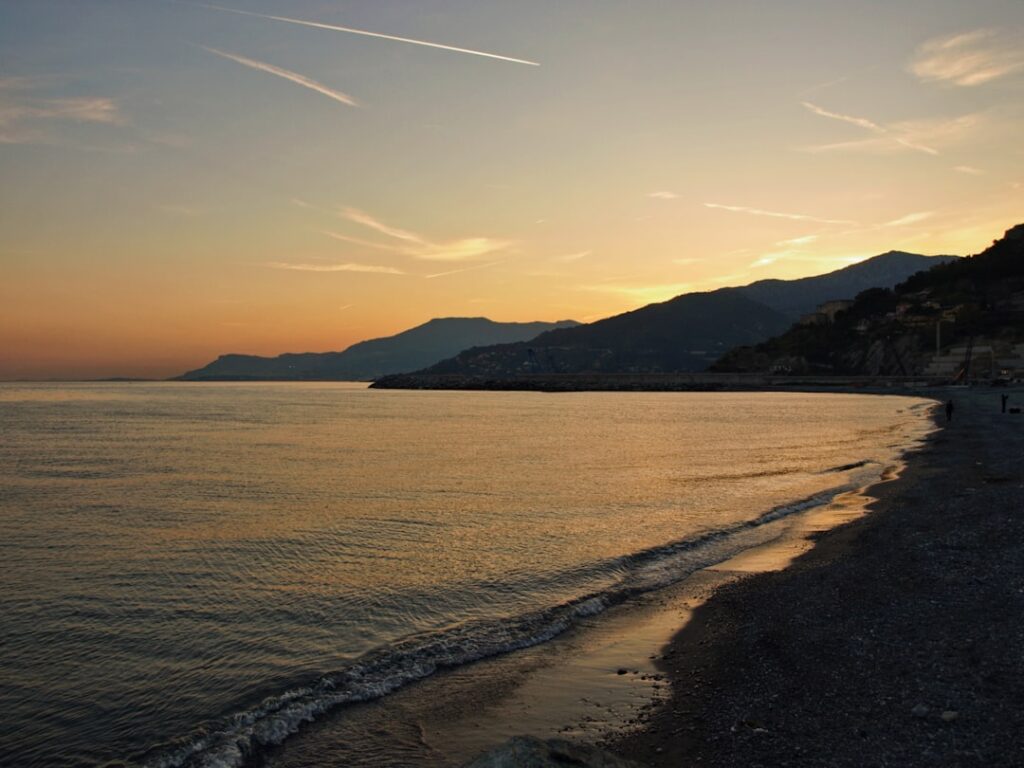
Below you’ll find detailed recommendations on must-have equipment (footwear, clothing, safety gear), practical addresses — stations, National Park offices, hospitals and refuges — with indicative opening hours and prices, plus local tips on best practices on the trails. The information includes vivid descriptions to help you picture each moment: from the salty air on an early-morning hike to the golden light at sunset on the Punta Mesco headland. With the right preparation you’ll fully enjoy the unique, protected landscapes of the Cinque Terre while minimizing risks to yourself and the fragile environment around you.
Essential basic gear for the Cinque Terre trails
The golden rule for safe hiking in the Cinque Terre is to favor quality and versatility. Trails can alternate between slippery rocks, worn paving stones and narrow stretches bordered by low walls — the right gear makes a real difference.
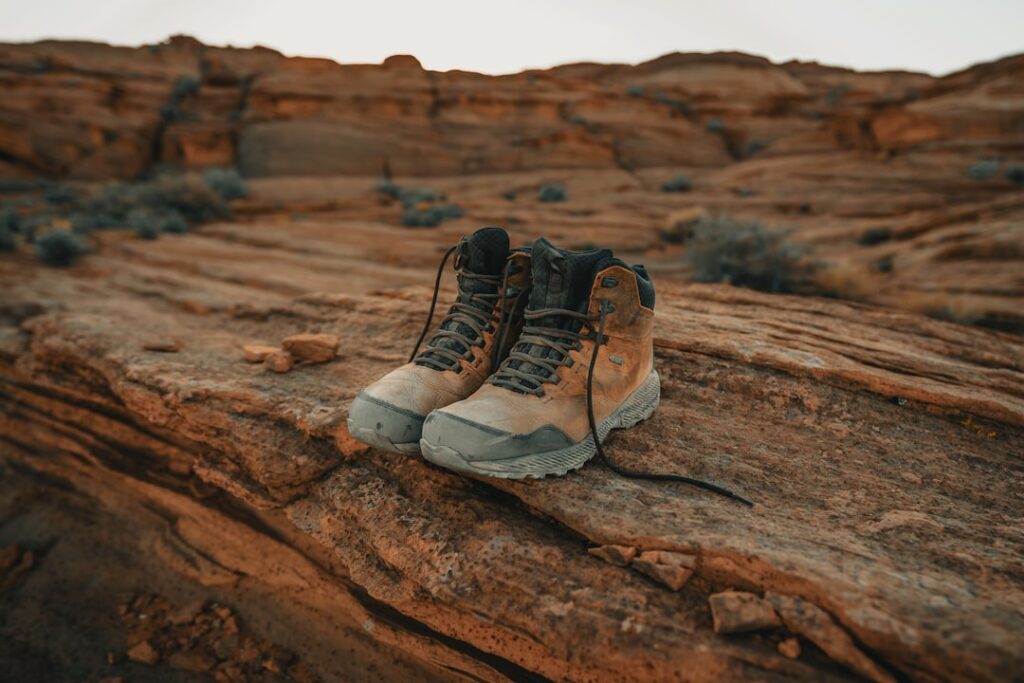
- Hiking shoes: a pair of low-cut or mid-cut hiking shoes with a Vibram sole or equivalent, good grip and lateral protection. Indicative price: €80–€180. Practical example: Salomon X Ultra 5 GTX (≈ €130) or waterproof trekking shoes. Avoid city sneakers and flip-flops.
- Backpack 20–30 L: lightweight, with a sternum strap and a modest hip belt to stabilize the load on technical sections. Hydration bladder compartment. Price: €40–€150.
- Hydration: reusable bottle of at least 1–1.5 L, or a hydration bladder (camelbak). In summer, plan for about 1 L/hour depending on effort and heat. Drinking water is available in the villages; fountains in Monterosso al Mare (Piazza Garibaldi) and Vernazza (Piazza Marconi) are often accessible.
- Technical clothing: breathable layers (technical tee, lightweight fleece mid-layer), waterproof wind shell (Gore-Tex or similar). Evenings by the sea can cool quickly after sunset.
- Telescopic trekking poles: recommended to reduce strain on your knees during descents and to stabilize on uneven ground. Price: €20–€80.
- First aid kit: blister plasters, sterile dressings, bandage, antiseptic, hand sanitizer, personal medications and a survival blanket. Price: €10–€40 depending on contents.
- Headlamp: useful if you’re caught out after dark or need to descend after sunset. Price: €15–€50.
Local practical tip: avoid carrying too much on stretches where villages are close — distribute the weight of water and snacks based on the estimated duration of your hike. Before setting off, check the information boards at the stations: Sentiero Azzurro signage indicates the condition of segments and temporary closures.
Technical safety and navigation: maps, signage and assistance points
Finding your way in the Cinque Terre is often intuitive thanks to the proximity of the villages and the National Park signage. Still, unexpected events — fog, rain or landslides — can make navigation tricky. Here are the practical things to know.
Maps and apps: get a local topographic map (e.g. Kompass map no. 422 or the Parco Nazionale delle Cinque Terre map). Useful offline apps: Maps.me, Komoot or Gaia GPS — download maps before you go so you can consult them without a signal. The Sentiero Azzurro is marked in blue (white/blue blazes) and each section (Monterosso–Vernazza, Vernazza–Corniglia, Corniglia–Manarola, Manarola–Riomaggiore) displays signs with estimated times.
Offices and visitor centers: for up-to-date trail conditions and maps, visit the Centro Visite Parco Nazionale delle Cinque Terre — for example the Manarola center at Via Discovolo 2, 19017 Manarola (SP). Indicative opening hours: daily 09:00–17:00 (longer hours in high season); phone contact should be checked on the official site. The center provides maps, the Cinque Terre Card (trekking) and advice on closed or hazardous sections.
Cinque Terre Card – Trekking: grants access to the official trails, restroom facilities in some stations and sometimes unlimited trail use during its validity. Indicative price: daily card around €7.50–€14.00 depending on season and inclusions. Buy it at the station (Stazione di Monterosso, Via Roma 1, 19016 Monterosso al Mare (SP)), at visitor centers, or online to avoid queues.
Assistance and rescue points: in an emergency call 112 (European emergency number) or 118 for medical services. The nearest hospital for serious emergencies is Ospedale Sant’Andrea, Via Gaetano Costa 1, 19124 La Spezia; 24-hour reception. For minor injuries, local pharmacies (e.g. Farmacia Scarselli, Piazza Garibaldi 5, Monterosso al Mare — opening hours 09:00–12:30 and 16:00–19:30 except Sundays) can supply dressings and advice.
On-trail behavior, weather and local tips to minimize risk
Adopting the right etiquette on the Cinque Terre trails is as important as your gear. Locals and guides stress a few simple but vital rules for collective safety and site preservation.
- Respect fences and signs: some sections are closed due to landslides or maintenance. Don’t use unauthorized detours — they can be unstable and dangerous.
- Avoid hiking after heavy rain: trails become muddy, slippery and prone to slips; wait at least 24–48 hours after a heavy downpour before setting out.
- Timing: start early (7–8am) to enjoy cooler temperatures and better light; avoid the hottest hours (1–4pm) in summer. Shops generally open at 09:00 and close between 18:00 and 20:00 depending on the season, except seafront restaurants and bars.
- Tell someone: if you hike alone, leave your route and expected return time with your accommodation (e.g. Affittacamere La Lanterna, Via Roma 12, Monterosso al Mare).
- Respect wildlife and plants: don’t pick plants, don’t feed animals and carry out your trash; bins are available in villages but often not on trail sections.
Local tip: in high season the Cinque Terre Express trains frequently link the villages (stops: Stazione di Monterosso, Via Roma 1; Stazione di Vernazza, Piazza Marconi 1; Stazione di Corniglia, Via Fieschi; Stazione di Manarola, Via Discovolo 2; Stazione di Riomaggiore, Via G. Oberdan 1). Buying a combined train + Cinque Terre Card ticket can be economical and helps you avoid crowded trail sections.
Where to buy gear locally and indicative costs
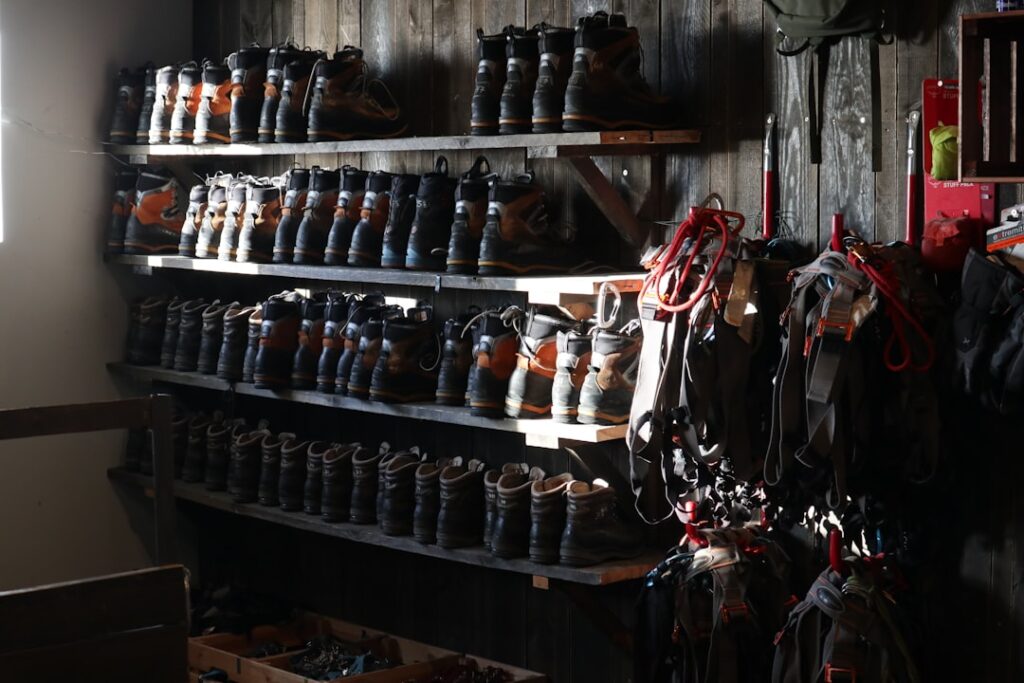
If you prefer to buy or top up gear locally, specialist shops in La Spezia or Levanto offer a good range. Example: Sport Service La Spezia, Via del Prione 133, 19121 La Spezia — open 09:00–19:00; hiking shoes and poles available (shoes ≈ €90–€150, poles ≈ €25–€70). In Levanto, Decathlon Levanto (Via Sciacchetrà 45) offers more budget-friendly options.
Conclusion
The Cinque Terre are a natural gem where hiking becomes almost a ritual: every trail opens a different window onto the sea and the villages, but also brings challenges unique to a rugged, protected landscape. Proper equipment — suitable shoes, a functional backpack, water, poles, a first aid kit and technical clothing — is your first guarantee of a successful hike. Add logistical preparation (maps, Cinque Terre Card, visitor center information), awareness of assistance points (Stazione di Monterosso, Via Roma 1; Centro Visite Parco Nazionale delle Cinque Terre, Via Discovolo 2 in Manarola; Ospedale Sant’Andrea, Via Gaetano Costa 1, La Spezia) and respect for local rules about trail closures and conservation.
Expected costs include gear (from about €50 for basics up to several hundred euros for high-end equipment), the Cinque Terre Card (≈ €7.50–€14.00 as an indicative price for trail access) and possibly train tickets to link the villages (variable fares — check Trenitalia or local ticket offices). Finally, follow simple common-sense habits: start early, tell someone your plan, respect the weather and avoid closed sections. Well prepared, you’ll be able to savor the sound of the waves, the scent of blooming rosemary and the spectacular panoramas that made the Cinque Terre world-famous, safely and in harmony with this exceptional heritage.